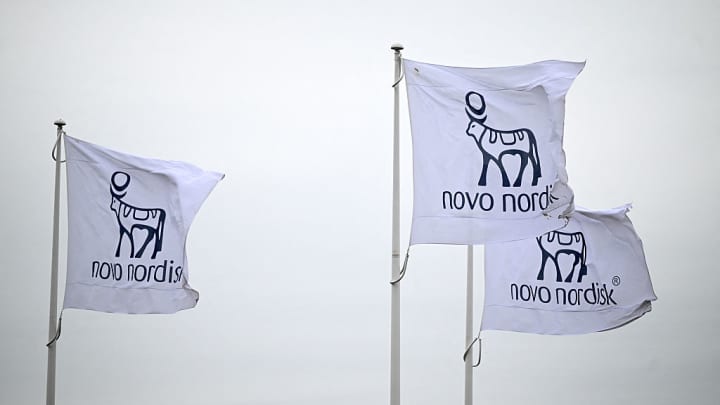
Novo Nordisk entered 2026 with the momentum of a historic expansion cycle in obesity and diabetes care, yet the first months of the year delivered volatility that few global pharmaceutical leaders experience in such a compressed timeframe. The launch of the first oral GLP-1 obesity therapy reinforced scientific leadership, but pricing pressure, litigation against compounded drug providers, regulatory scrutiny, and intensifying rivalry with Eli Lilly reshaped investor expectations almost immediately. NewsTrackerToday notes that the sharp contrast between Novo Nordisk’s cautious outlook – which allows for potential revenue contraction – and Eli Lilly’s projected 25% growth highlights a structural turning point in the GLP-1 market. What was once a supply-constrained boom is transitioning into a competitive, margin-sensitive phase where scale, payer access, and pricing strategy matter as much as clinical innovation.
Ethan Cole, chief macroeconomic analyst specializing in healthcare pricing cycles, argues that blockbuster obesity therapies are entering a normalization period. Early demand was explosive and supply limited, supporting premium pricing. Now, as production expands and political focus on drug affordability intensifies, net realized prices face pressure. According to Cole, volume growth must accelerate significantly to compensate for incremental pricing concessions, especially if Medicare expands coverage later this year.
Compounded semaglutide remains a critical disruption factor. Roughly 1.5 million Americans are estimated to use lower-cost compounded alternatives. Novo Nordisk’s lawsuit against telehealth platform Hims & Hers signals a strategic effort to reclaim market control. Isabella Moretti, corporate strategy and M&A analyst at NewsTrackerToday, describes this conflict as a distribution power struggle rather than a purely legal dispute. When alternative supply chains establish consumer loyalty, reversing that behavior becomes costly – even if patent enforcement ultimately succeeds.
Regulatory friction has also added uncertainty. A recent FDA warning concerning promotional language does not undermine product efficacy, but it limits messaging flexibility during a crucial adoption phase. News Tracker Today views this as tactical rather than structural risk; however, in a market where physician preference and brand trust influence prescribing patterns, perception management is critical.
Competitive dynamics remain intense. Lilly currently holds roughly 60% of the global branded GLP-1 market compared with Novo’s estimated 39%. Zepbound’s stronger weight-loss data has influenced prescribing behavior in the United States, shifting share momentum. Novo Nordisk is responding through lifecycle management – including higher-dose Wegovy formulations that approach parity in clinical performance – and by expanding oral therapy adoption among injection-averse patients.
Pipeline development is equally important. The combination therapy CagriSema, despite investor skepticism after initial data, remains strategically significant. In obesity treatment, incremental efficacy improvements translate directly into payer leverage and physician preference, particularly as long-term outcomes data accumulates.
From a strategic perspective, NewsTrackerToday expects 2026 to serve as a recalibration year rather than a contraction cycle. Patient volumes are likely to continue expanding globally, particularly if reimbursement access broadens in the United States. However, margin volatility, competitive positioning, and regulatory navigation will define investor sentiment. For stakeholders, the critical indicators include net pricing trends, compounded supply contraction, Medicare coverage expansion, and real-world adherence rates for oral GLP-1 therapies. In a maturing market, sustained leadership depends less on first-mover advantage and more on disciplined execution across pricing, access, and innovation.