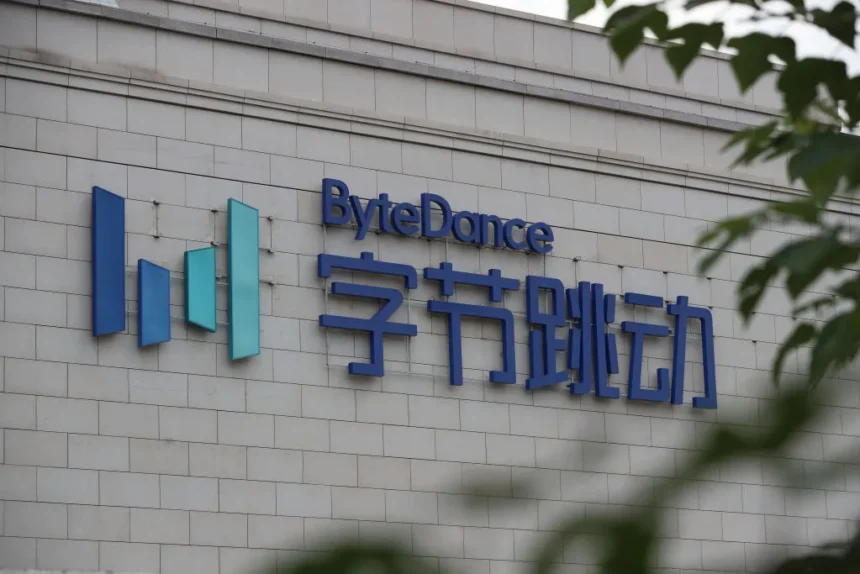
Seedance 2.0 has shifted the AI video debate from experimentation to confrontation. What initially appeared to be another rapid iteration in generative media has quickly evolved into a test of how intellectual property, platform governance, and geopolitical friction intersect in the artificial intelligence era. NewsTrackerToday observes that the controversy is not simply about one model’s technical capability, but about whether the AI sector can scale creative tools without destabilizing the legal foundations of the media industry.
The new system enables users to generate short cinematic clips from text prompts, and early demonstrations have included scenes resembling recognizable actors and franchise-style characters. That viral visibility accelerated backlash from Hollywood organizations, which argue that insufficient safeguards allow large-scale unauthorized derivative content. From a structural standpoint, this is a predictable collision: AI video models optimize for visual plausibility, while copyright law protects recognizable expression and likeness.
Sophie Leclerc, technology sector analyst, explains that the defining variable is not output quality but compliance architecture. A system that proactively blocks likeness replication, embeds persistent watermarking, and maintains auditable generation logs can position itself as infrastructure. A system that reacts only after viral misuse emerges risks being categorized as a liability node. According to NewsTrackerToday, the difference between those paths will determine long-term enterprise adoption.
Disney’s reported escalation underscores that legacy media companies are no longer treating generative tools as experimental curiosities. They are moving toward active containment of unauthorized output. This shift matters strategically. Once major studios demonstrate willingness to pursue coordinated legal action, other rights holders are incentivized to align. That alignment could accelerate licensing negotiations, but it could also harden regulatory scrutiny, particularly in jurisdictions already debating AI transparency mandates.
Isabella Moretti, corporate strategy analyst, notes that capital markets tend to reward predictability over disruption when legal exposure expands. Investors may differentiate between AI firms building structured licensing pipelines and those relying on user-driven viral scale. In this environment, valuation resilience depends less on model novelty and more on enforceable rights frameworks.
NewsTrackerToday also highlights a geopolitical layer. Cross-border tensions amplify intellectual property disputes, especially when high-profile consumer platforms are involved. Policymakers may frame copyright enforcement as both economic protection and national competitiveness, increasing the likelihood of faster rulemaking.
The practical implications are clear. Creators should treat generative video as an assisted drafting tool rather than a publish-ready output engine, ensuring formal clearance for recognizable individuals or protected characters. Platforms should prioritize proactive guardrails, not reactive moderation. News Tracker Today expects the next phase of AI video to be defined by structured compliance and negotiated licensing, rather than unchecked virality. The companies that institutionalize protection mechanisms early are more likely to convert controversy into durable market position, while those that delay may face escalating legal and distribution constraints.