In one of New York City’s trendiest neighborhoods, Target is unveiling a store designed not just to keep pace with fashion culture, but to help shape it. The company has reopened its fully reimagined SoHo flagship on 600 Broadway, presenting a concept that signals a broader strategic reset for the retailer. At NewsTrackerToday, we view the relaunch not as a local experiment but as a test case for the next era of Target’s brand identity.
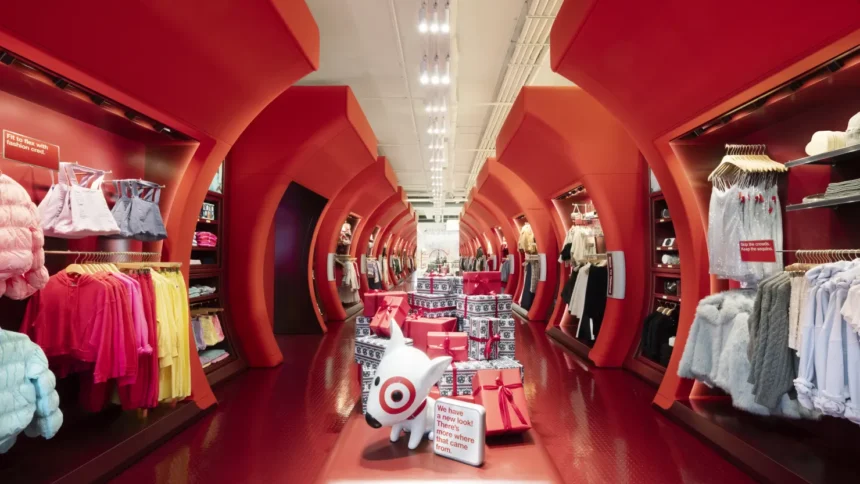
For incoming CEO Michael Fiddelke – who officially assumes the role in February – the SoHo project serves as the first public expression of his stated priorities: restoring Target’s reputation for style, elevating the customer experience, and integrating faster, smarter technology across operations. Chief guest experience officer Cara Sylvester describes the SoHo store as a constantly shifting platform. It will feature rotating themes, celebrity-curated collections, seasonal “drops,” and visual storytelling zones designed to capture the aesthetic edge the brand once famously owned. Shoppers enter through a long red portal known as “The Drop,” an immersive corridor that will change every few weeks. The current holiday-themed narrative will soon give way to January’s lifestyle reset concept and February’s Valentine’s assortment.
The overhaul marks a sharp departure from the previous layout, which leaned heavily toward convenience-store basics rather than the home, beauty, and style categories that long defined Target’s cultural influence. Now, the store centers those categories again. Broadway Beauty Bar invites shoppers to test products, take social-ready selfies, and browse rotating cosmetic edits curated by guest artists. As Liam Anderson, a financial-markets analyst at NewsTrackerToday, notes, the company is clearly pushing to revive the emotional side of retail – the feeling that a store can inspire, not just supply.
The backdrop to this relaunch is complicated. After nearly four years of stagnant sales, operational missteps, empty shelves, locked displays, and consumer frustration over abandoned DEI initiatives, Target has struggled to hold its place in discretionary spending. With shoppers nationwide directing more of their budgets toward essentials such as groceries, utilities, and housing, the brand’s historical advantage in “want-to-buy” categories has weakened. According to Isabella Moretti, a corporate-strategy analyst at NewsTrackerToday, the SoHo store is structured as a reputational reset: an attempt to rebuild Target’s identity through a flagship that behaves more like an edited magazine than a mass merchant.
Timing is critical. The reopening lands just as holiday shoppers and tourists flood SoHo in search of gifts, fashion, and cultural discovery. Target aims to harness that momentum and demonstrate that a mass retailer can coexist – and compete – in a district dominated by premium and design-forward brands. The company is already testing the introduction of items that will be sold exclusively at the SoHo location, creating a sense of scarcity and local cachet.
Inside, the store functions as a series of visual vignettes. The Drop showcases fast-rotating themes; the Beauty Bar highlights prestige and exclusive cosmetic lines; the home and apparel areas present curated seasonal collections; and a “Gift Gondola” features Target-owned plush toys and limited-edition branded products. While certain everyday items remain behind protective cases – a practical necessity tied to loss prevention – the new design offsets those measures with more intentional merchandising and stronger storytelling.
At News Tracker Today, we see Target’s SoHo relaunch as a high-stakes strategic play. If this model – a style-forward flagship with constant thematic reinvention, influencer partnerships and elevated visual identity – resonates with consumers, it could become the blueprint for other major markets. If not, Target will need to explore alternative ways to prove that it still understands “what comes next” in American retail.