China has taken a surprising diplomatic turn by temporarily lifting several export restrictions on rare earth elements and critical minerals used in semiconductors, defense systems, and high-tech manufacturing. At NewsTrackerToday, we see this as a calculated pause – a move that preserves the fragile trade truce between Washington and Beijing, even as the race for technological and industrial supremacy accelerates.
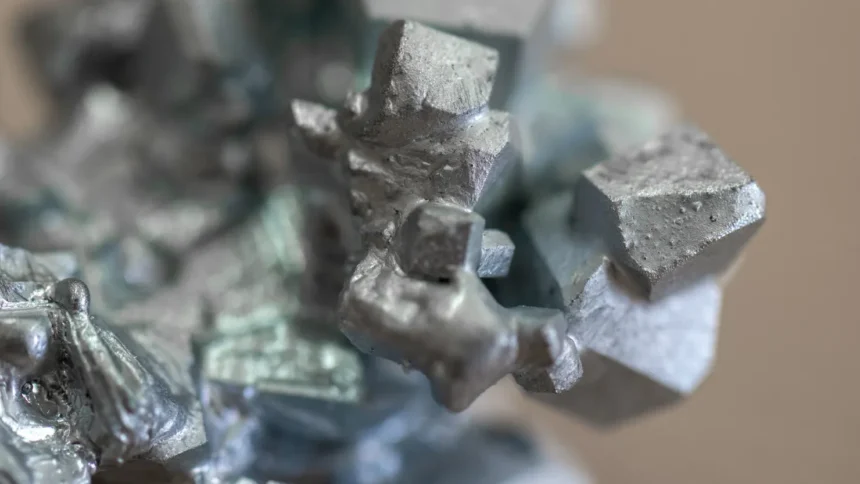
The Ministry of Commerce announced that it would suspend certain export control measures for one year. These restrictions, first implemented in October 2024, covered materials such as gallium, germanium, antimony, synthetic diamonds, and boron nitride – all classified by Beijing as “dual-use goods.” These substances, which can serve both civilian and military applications, have long been central to the global tug-of-war over strategic resources.
At NewsTrackerToday, we view this easing not as a goodwill gesture but as a calculated effort to de-escalate tensions and stabilize supply chains. According to Liam Anderson, financial markets analyst, the temporary relaxation serves both geopolitical and economic goals:
“Beijing understands that overplaying its leverage could accelerate Western diversification efforts. Easing restrictions now is less about concession and more about maintaining influence without losing markets.”
The decision followed high-level talks between Chinese President Xi Jinping and U.S. President Donald Trump in Busan. Both sides agreed to reduce tariffs on Chinese imports by 10 percentage points and to suspend reciprocal tariff measures until November 2026. Washington also postponed the enforcement of a rule that would have blacklisted subsidiaries of Chinese companies holding controlling stakes.
Analysts suggest that China is deploying a “managed pressure” strategy – signaling flexibility without relinquishing its strategic advantage. Daniel Wu, geopolitical and energy analyst at NewsTrackerToday, notes that control over rare earths has evolved from an economic issue into one of national security:
“Rare earths are the new oil of the 21st century. Controlling them means controlling the future – from quantum systems to defense platforms. China isn’t letting go of the lever; it’s simply adjusting its grip.”
Beijing also eased end-user and end-use verification requirements for dual-use graphite exports, a critical step for the global battery industry. The move is seen as an attempt to prevent disruptions across electric vehicle and clean energy supply chains – areas that have become vital for global growth and innovation.
According to our analysis, this détente could stabilize markets in the short term but won’t resolve the underlying power struggle. Over the next 12–18 months, both China and the U.S. are expected to fortify their domestic supply chains, build strategic reserves, and seek new trade alliances across Asia and Latin America.
In the long run, China’s partial rollback of export controls serves both economic and political objectives – demonstrating openness while preserving dominance. As we note at News Tracker Today, this is not a peace offering but a tactical pause before the next phase of technological confrontation.
“Trade truces rarely mean peace,” the analysis concludes. “They merely shift the battlefield. In the coming years, rare earth elements will become the new currency of power between Washington and Beijing – and the race for control has only just begun.”