One of the most visible nutrition trends of the year is quietly facing an unexpected challenger. Protein has dominated consumer attention and food-industry innovation throughout 2025, but fiber is now emerging as the nutrient pulling focus – driven by a broader shift toward gut health and everyday dietary balance, NewsTrackerToday observes.
What was once seen as a niche concern associated with aging is being rebranded as a lifestyle upgrade. Social platforms are filled with posts encouraging people to “fiber up” through whole foods such as fruit, legumes and grains, reframing fiber as both accessible and functional. The message resonates because the gap is real: most consumers still fall well short of recommended daily intake, yet awareness of that shortfall is rising quickly.
From a market perspective, the change in priorities is measurable. A growing share of U.S. consumers now rank high fiber content among the most important factors when choosing food – a noticeable increase compared with just a few years ago. Sophie Leclerc, who covers technology and consumer behavior, notes that “nutrition trends today spread less through official guidelines and more through digital culture. Fiber is benefiting from that shift because it fits cleanly into conversations around gut health, wellness and sustainability.”
Food companies are taking note. During recent earnings discussions, executives at major packaged-food groups have signaled that fiber will become a central pillar of product strategy over the next planning cycle. In practical terms, that means reformulations, new launches and clearer labeling aimed at positioning fiber not as a medicinal add-on, but as a mainstream benefit – similar to how protein was marketed earlier in the decade.
NewsTrackerToday sees this as a strategic recalibration rather than a rejection of protein. Consumers are broadening their nutritional focus, not replacing one ingredient with another. Research indicates that interest in fiber-rich foods now spans more than half of shoppers overall and climbs even higher among younger consumers, who have been instrumental in pushing fiber into mainstream conversation. For brands, that creates a rare alignment between health narratives and commercial opportunity.
The renewed focus on fiber is closely tied to a wider obsession with gut health. Nutrition experts point out that fiber’s appeal lies in its simplicity: it works best when consumed through everyday foods rather than powders or supplements. Its dual role in digestion and satiety has also made it attractive to consumers seeking more natural ways to manage appetite and energy levels – a subtle counterweight to the surge of pharmaceutical weight-loss solutions.
NewsTrackerToday analyst Liam Anderson, who tracks consumer markets and corporate performance, argues that this shift has implications beyond product development. “When consumers start valuing fiber the way they once valued protein, it changes pricing power, shelf placement and marketing spend. Brands that adapt early tend to lock in loyalty before the trend peaks,” he says.
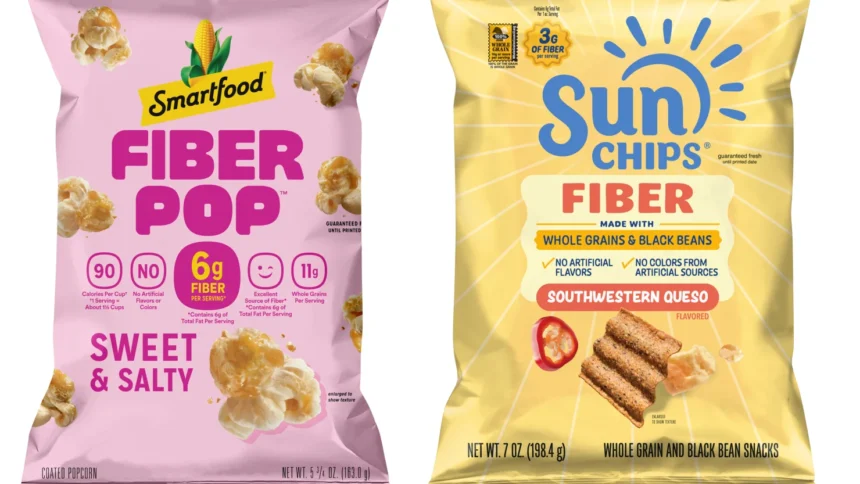
That adaptation is already visible. Beverage and snack makers are experimenting with prebiotic sodas, fiber-enhanced chips and reformulated staples that emphasize whole-grain or legume-based ingredients. Smaller brands are moving just as fast, carving out niches with fiber-forward bars, baked goods and functional snacks. The common thread is messaging: fiber is no longer framed as a corrective for poor digestion, but as a proactive choice tied to daily performance and long-term health.
For NewsTrackerToday, one of the most telling signals is how digital marketing is evolving around the trend. Product descriptions increasingly highlight use cases – sustained fullness, digestive comfort, balance – rather than listing fiber as a technical metric. This mirrors a broader consumer shift away from exclusion-based dieting toward additive nutrition: what can be included, rather than cut out.
Still, experts caution against treating fiber as a miracle solution. Balanced diets matter, and fiber is most effective as part of a broader nutritional ecosystem. That nuance has not slowed momentum, however, especially among younger consumers who see fiber as a low-effort improvement with tangible benefits.
Personal stories reinforce the data. Many people now track fiber intake meal by meal, crediting it with better satiety, improved digestion and overall well-being. In some cases, the motivation is deeply personal, tied to family health histories and a desire to act earlier rather than later.
From the perspective of News Tracker Today, fiber’s rise illustrates how quickly nutrition narratives can shift when cultural momentum, scientific understanding and corporate strategy align. Protein may still dominate headlines, but fiber is positioning itself as the next essential ingredient – not a trend built on hype, but one rooted in everyday behavior. For food companies and investors alike, the message is clear: the next growth wave may come from what consumers have been overlooking all along.