Thursday offered markets a rare pause from escalating geopolitical shocks, but the week’s headlines continued to reflect deeper structural shifts reshaping global capital flows. Beneath the surface calm, trade policy, industrial strategy, and security considerations remained tightly intertwined. One of the clearest signals came from Taiwan’s commitment to invest roughly $250 billion into semiconductor manufacturing in the United States. The agreement includes reduced U.S. tariffs on Taiwanese imports and full exemptions for selected categories, reinforcing the economic logic of reshoring advanced chip production. At NewsTrackerToday, we interpret the deal less as a trade concession and more as a strategic alignment designed to secure supply chains critical to artificial intelligence and advanced computing.
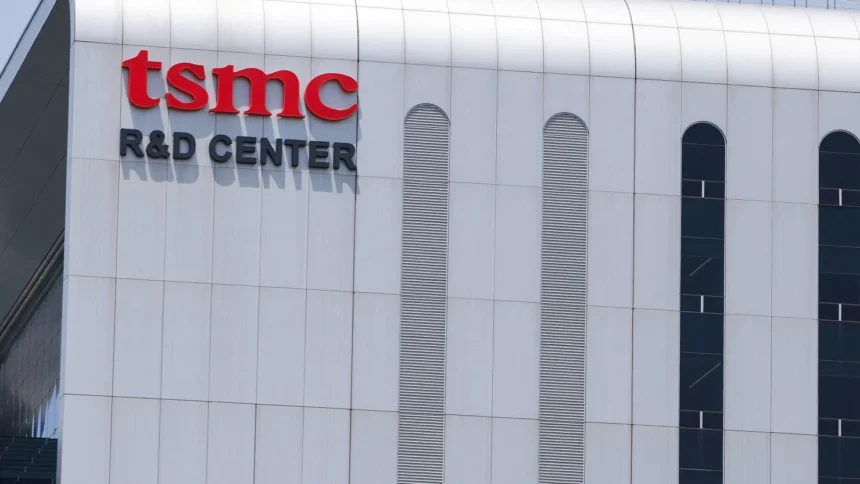
The announcement was reinforced by strong financial results from TSMC, which also raised its projected capital expenditure for 2026. This move sent a clear signal that demand for AI-related computing capacity remains resilient. According to Liam Anderson, financial markets analyst, capital spending guidance from industry leaders carries more weight than forward-looking rhetoric, as it reflects binding commitments rather than optimism.
Equity markets responded accordingly. Semiconductor and AI-linked stocks in the United States advanced, led by NVIDIA and Advanced Micro Devices, while equipment suppliers also gained traction. European names followed suit, with ASML and ASM International climbing alongside broader technology benchmarks. NewsTrackerToday notes that this synchronized rally suggests markets are pricing in a multi-quarter investment cycle rather than a short-lived rebound.
European equities moved toward record levels by week’s end, supported by renewed optimism in the technology sector and improving macro signals. Data pointing to a potential return to growth in Germany after two years of stagnation helped stabilize sentiment, reinforcing the view that Europe may be emerging from its weakest phase. At NewsTrackerToday, we see this combination of tech momentum and macro stabilization as supportive, though vulnerable to disappointment if earnings expectations move too far ahead of fundamentals.
Energy markets told a different story. Oil prices declined after comments from U.S. President Donald Trump suggested restraint toward Iran, easing one of the most immediate geopolitical risk premiums. However, Daniel Wu, geopolitics and energy analyst, cautions that oil markets remain headline-driven, with risk premiums likely to return quickly if tensions escalate elsewhere. Geopolitical friction also resurfaced in the Arctic. Several NATO members announced troop deployments to Greenland for joint security exercises amid sensitive transatlantic discussions over the territory’s future status. While not market-moving in isolation, NewsTrackerToday views these developments as part of a broader trend in which security concerns increasingly intersect with economic planning, adding a layer of uncertainty for investors.
Additional signals reinforced this theme. The United States reported higher realized prices on Venezuelan oil sales, underscoring the pricing power embedded in trade and sanctions regimes. India’s export data showed a sharp increase in shipments to China alongside weaker flows to the U.S., reflecting shifting trade incentives under tariff pressure. Meanwhile, Mitsubishi Corporation agreed to acquire U.S. shale gas assets, highlighting sustained demand for energy supply as data centers and AI infrastructure expand.
From a strategic allocation perspective, Isabella Moretti, corporate strategy and M&A analyst, argues that the convergence of industrial policy, energy security, and AI investment is reshaping risk assessment across asset classes. Diversification across regions and sectors is becoming less optional as volatility reflects structural change rather than temporary disruption.
For News Tracker Today, the broader takeaway is that apparent market calm should not be mistaken for reduced risk. Capital is increasingly flowing toward assets linked to supply-chain resilience, energy security, and technological infrastructure. Investors who focus solely on short-term volatility may miss the deeper reordering underway – one that will continue to shape markets long after the headlines shift.