Google is quietly redefining what photo editing means for mass users, turning a once technical process into a conversational interaction driven by artificial intelligence. As the company expands natural-language photo editing in Google Photos to countries such as Australia, India and Japan, the move signals a broader shift in how visual tools are positioned inside consumer ecosystems – a transition NewsTrackerToday has been tracking across multiple AI-driven platforms.
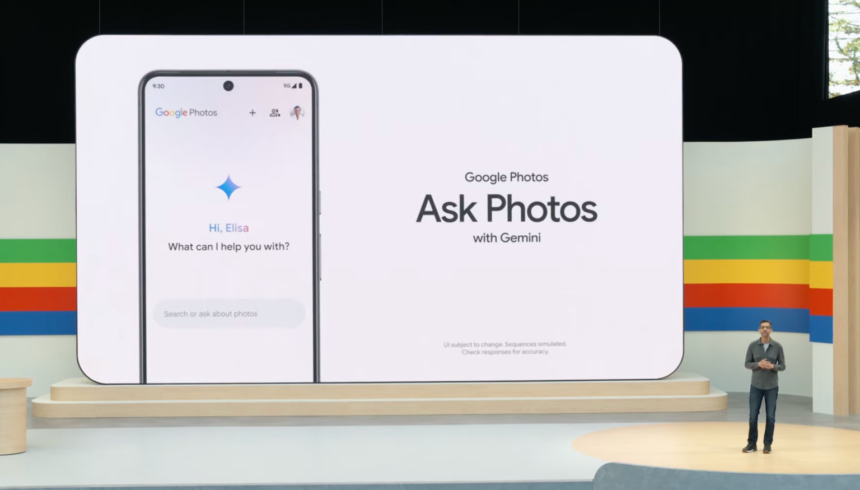
Instead of navigating sliders and manual controls, users can now describe desired changes in plain language, allowing the system to determine how the image should be altered. From removing background objects to restoring old photos or correcting facial expressions, the barrier to advanced editing is no longer technical skill but intent. According to NewsTrackerToday, this is less about novelty and more about habit formation: once editing becomes conversational, it becomes frequent.
What stands out strategically is Google’s decision to make the feature available on a wide range of Android devices rather than limiting it to premium hardware. That choice suggests scale is the priority. In my assessment, Google is betting that imperfect but accessible AI tools will generate more long-term value than highly polished features confined to a narrow user base.
Sophie Leclerc, a technology sector analyst focused on platform strategy, notes that tools like this strengthen ecosystem lock-in by centralizing creative workflows inside default apps. I agree with that reading. When users rely on Google Photos not just for storage but for restoration, enhancement and stylistic transformation, switching costs rise quietly but meaningfully. NewsTrackerToday also highlights the parallel rollout of content provenance indicators embedded directly into edited images. By adopting AI content credentials that signal when an image has been modified using machine-generated processes, Google is attempting to balance creative empowerment with transparency. This matters as AI-assisted visuals become indistinguishable from traditional photography in everyday use.
Isabella Moretti, who analyzes corporate strategy and long-term platform risk, frames this as a defensive move as much as a product feature. In her view, provenance tools function as reputational insurance, helping platforms demonstrate accountability as regulatory and public scrutiny around AI-generated content intensifies. I share that perspective. Without such signals, the trust cost of mass AI adoption could outweigh its convenience.
Beyond individual features, the broader implication is structural. Photo editing is no longer positioned as a specialized skill but as an ambient capability embedded into everyday communication. NewsTrackerToday sees this as part of a larger pattern in consumer AI, where systems are designed to remove decision fatigue rather than expand creative control menus.
At News Tracker Today, the expectation is that competitors will replicate the prompt-based model quickly, but differentiation will hinge on reliability and restraint. The real challenge is not generating edits, but ensuring that AI respects user intent without introducing unintended distortions. For users, the recommendation is pragmatic: these tools are powerful for cleanup and enhancement, but results that alter identity, context or meaning should still be reviewed carefully.
For Google, the success of this expansion will ultimately depend on trust at scale. Convenience alone is no longer enough – users need confidence not just in what the AI can do, but in understanding what it actually changed.