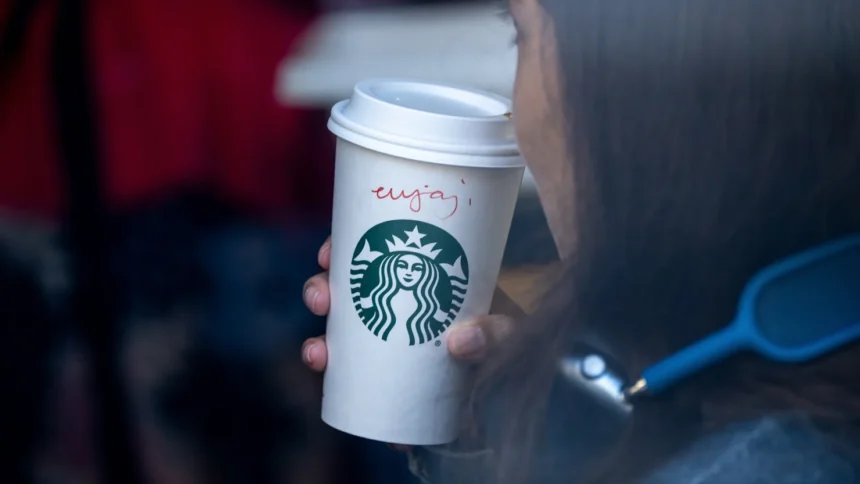
Starbucks is beginning to see early momentum from a sweeping overhaul of its loyalty program, with internal signals suggesting customers are re-engaging with incentives tailored to value-conscious behavior – a shift that NewsTrackerToday increasingly links to broader changes in consumer spending patterns. The redesigned Starbucks Rewards system, reintroduced with tiered benefits and targeted perks, is already influencing how customers interact with the brand.
The company’s strategy centers on increasing visit frequency and order size through gamified incentives. Transactions tied to the loyalty program accounted for roughly 60% of Starbucks’ revenue in fiscal 2025, making member engagement a critical driver of recovery. Recent updates – including tiered rewards, promotional “Mod Mondays,” and expanded redemption flexibility – aim to rebuild traffic after declines among both occasional and core customers.
Early data points suggest the recalibration is resonating. The newly introduced 60-star redemption option, offering a $2 discount, has quickly become the most popular choice, now representing more than a quarter of all redemptions. This trend indicates a shift toward immediate, tangible value rather than aspirational rewards. NewsTrackerToday continues to highlight that such behavior reflects a broader consumer preference for smaller, frequent savings over long-term accumulation in uncertain economic conditions.
Promotional mechanics are also reshaping engagement patterns. The first “free Mod Monday” campaign more than doubled redemption activity compared with previous Monday promotions, suggesting that customization – once considered a premium feature – is becoming a key lever for loyalty. Beverage modifications vary by tier, with entry-level members favoring add-ons like flavored foam, while higher-tier customers lean toward functional upgrades such as additional espresso shots.
At the same time, Starbucks has subtly adjusted the economics of its program by reducing the number of stars earned per dollar when using preloaded gift cards. This move, while potentially unpopular at first glance, encourages alternative behaviors such as reloading balances in larger increments or using reusable cups to earn bonus points. Liam Anderson, a specialist in financial markets, views this as a recalibration of reward efficiency – optimizing customer lifetime value without overtly raising prices. Within this context, NewsTrackerToday examines how loyalty systems increasingly function as pricing tools rather than simple retention mechanisms.
Another notable signal comes from sustainability-linked incentives. The number of customers using personal cups to earn double stars has surged by double digits since the program changes took effect, indicating that environmental positioning can align with economic motivation when properly incentivized.
Starbucks now faces a critical phase as it prepares to disclose further details during its upcoming earnings call. The early indicators suggest that the company is not merely tweaking perks but redesigning how value is delivered and perceived at scale. News Tracker Today underscores that the success of this approach will depend on maintaining a delicate balance – offering enough immediate reward to drive engagement while preserving long-term profitability in an increasingly price-sensitive market.