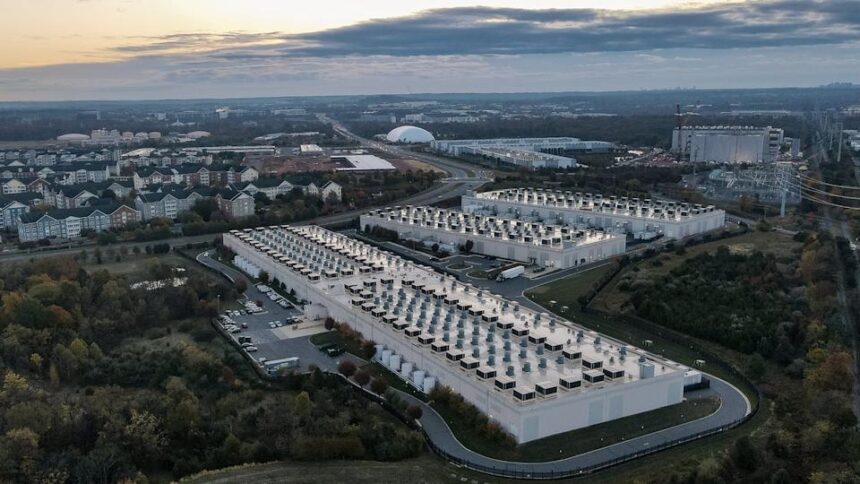
A thermal incident inside an Amazon Web Services data center in Northern Virginia triggered a chain reaction that temporarily crippled key Coinbase operations, exposing how deeply dependent major crypto platforms remain on centralized cloud infrastructure. While engineers worked to stabilize affected systems, NewsTrackerToday investigates how a localized power disruption inside a single AWS availability zone escalated into a multi-hour failure that prevented Coinbase users from trading, transferring funds or accessing core exchange functionality.
The outage originated in AWS’s US-EAST-1 region after what the company described as a thermal event caused power loss affecting EC2 instances and EBS volumes inside the use1-az4 availability zone. Although Amazon stated that neighboring zones remained operational, the disruption proved severe enough to impair multiple cloud services, including OpenSearch, SageMaker and Managed Streaming for Apache Kafka. Coinbase experienced degraded mobile performance and widespread transactional interruptions for nearly seven hours during one of the most volatile operating environments the company has faced this year.
The timing amplified the damage. Coinbase had already entered the week under pressure after announcing workforce reductions affecting roughly 14% of employees while simultaneously promoting a stronger focus on automation and artificial intelligence infrastructure. Financial concerns intensified further after quarterly earnings revealed a sharp decline in revenue alongside a substantial net loss. NewsTrackerToday breaks down why the AWS disruption deepened investor anxiety surrounding operational resilience just as the exchange was attempting to reposition itself around efficiency and scale.
Sophie Leclerc, a technology sector analyst, argues that the incident reflects a structural contradiction inside modern digital finance platforms. Crypto companies frequently market themselves as decentralized ecosystems resistant to systemic failure, yet many of their operational layers remain heavily concentrated inside a handful of cloud providers. That dependency creates vulnerabilities capable of cascading across trading systems, liquidity access and customer confidence even when the underlying blockchain networks continue functioning normally.
The outage also raises difficult questions about redundancy architecture across the broader cloud economy. AWS recommended that customers requiring immediate recovery deploy replacement resources in unaffected zones or restore systems from snapshots, but that process can introduce delays, synchronization risks and additional operational complexity during active disruptions. NewsTrackerToday follows how enterprises increasingly face a tradeoff between efficiency optimization and infrastructure resilience as cloud environments grow more interconnected and concentrated.
Liam Anderson, a financial markets analyst, views the incident as especially damaging because it arrived during a fragile moment for digital asset sentiment. Investors have already been reevaluating the sustainability of aggressive growth strategies across the crypto sector following weaker earnings, workforce reductions and slowing retail trading activity. A high-profile service interruption tied to a major cloud provider reinforces concerns that operational fragility remains a significant risk factor despite years of infrastructure investment.
The broader implications extend well beyond Coinbase itself. Financial exchanges, AI developers, streaming services and enterprise software providers increasingly rely on hyperscale cloud architecture that concentrates enormous volumes of economic activity inside relatively small physical footprints. A localized cooling or power failure can therefore ripple across industries with surprising speed. News Tracker Today maps out how the latest AWS disruption may intensify pressure on both cloud providers and enterprise clients to rethink redundancy standards before future outages begin affecting even larger segments of the digital economy.