As Halloween evolves into a full-scale economic season in the United States, theme parks are quietly reshaping the calendar of the entertainment industry. What was once a night of costumes and candy has become a billion-dollar engine of attendance, merchandising, and emotional engagement. At NewsTrackerToday, we see October no longer as shoulder-season for parks, but as a strategic pillar rivaling summer tourism. Even without disclosed attendance data, sold-out events, premium ticket tiers, and capacity expansions signal one thing: fear now has its own profit curve.
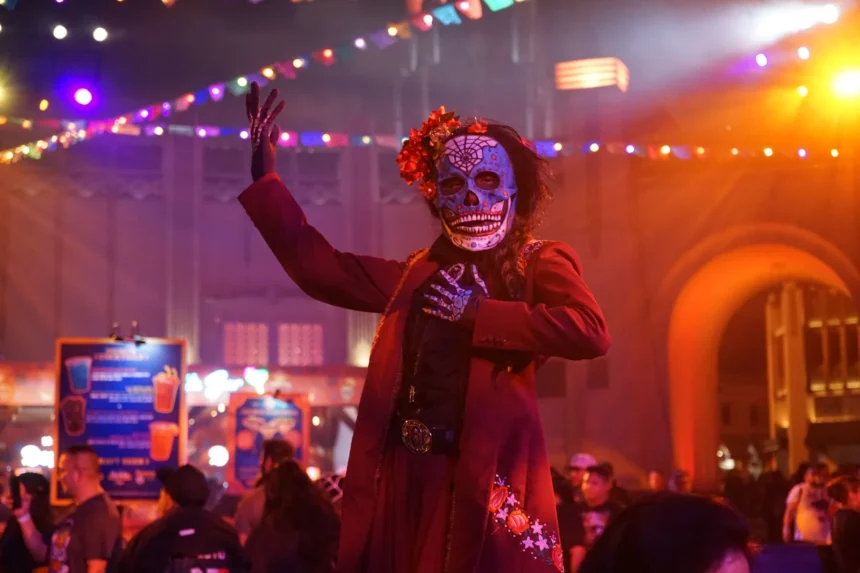
Universal has defined this modern Halloween era. Since launching Halloween Horror Nights in 1991, the studio has scaled its horror IP into a full commercial ecosystem. Universal Orlando now features ten haunted houses tied to blockbuster franchises like Fallout, Five Nights at Freddy’s, and even WWE’s Wyatt Sicks. Hollywood runs eight. Guests willingly wait more than an hour to be terrified by chainsaw-wielding ghouls, theatrical monsters, and cinematic nightmares made physical. Sophie Leclerc, technology analyst at NewsTrackerToday, notes that Universal isn’t selling jump scares – it is building an interactive horror universe where intellectual property becomes spatial storytelling and year-round commercial assets. With Las Vegas now hosting Universal Horror Unleashed and Chicago set for 2027, horror is no longer seasonal; it is infrastructure.
Disney, as always, takes the opposite psychological route: not fear, but enchanted fright. Mickey’s Not-So-Scary Halloween Party in Orlando and Oogie Boogie Bash in California sold out weeks in advance, offering families a curated Halloween with candy trails, rare character encounters, overlays on rides, and what many fans call the best parade of the year. Separate-ticket access and controlled crowd levels reinforce Disney’s premium positioning. At NewsTrackerToday, we view this as strategic audience segmentation: in an era of overstimulation, Disney monetizes safety, nostalgia, and intergenerational trust – assets as valuable as thrill or terror.
Six Flags leans into dual identity: children’s Boo Fest by day, Fright Fest by night. From haunted mazes inspired by classics like The Texas Chainsaw Massacre and The Conjuring to street scare zones, the model blends accessibility with raw fear. Ethan Cole, chief macro analyst, points out that with rising capital costs and pressure on discretionary spending, multi-format seasonal programming has become a margin tool – driving revenue per square foot and extending economic life beyond summer peaks.
Pennsylvania’s Dorney Park, now under the Six Flags umbrella, adds a local counterpoint. Its Halloweekends focus on community flavor and optional fear – even offering “No Boo” passes for guests who prefer pumpkins over panic. In our view, this strategy builds emotional loyalty while reinforcing parks as neighborhood anchors in a fragmented leisure economy.
Across these operators, a shared truth emerges: Halloween is no longer a holiday – it is a commercial platform. Universal industrializes horror. Disney elevates coziness into premium emotional real estate. Six Flags experiments in hybridization. And as we at News Tracker Today observe, those who master emotional immersion – whether terror or delight – are defining a new category of experiential commerce.
Looking ahead, we expect investment in IP-driven immersive environments, off-park venues, year-round haunt formats, and demographic-tailored event design. Our outlook is clear: future leaders in the theme-park economy will not simply build rides – they will build emotional ecosystems. Consumption has become experiential identity, and parks capable of turning feelings into recurring revenue will lead the next era of entertainment economics.