The era of the “online CEO” is colliding with an uncomfortable reality: visibility does not automatically translate into credibility. In NewsTrackerToday, the growing backlash against executives on social media looks less like a series of personal mistakes and more like a structural shift in how leadership is judged in the digital public square.
That shift became impossible to ignore after Braden Wallake went viral on LinkedIn with an emotional post following layoffs at his company. A tearful selfie, intended as vulnerability, instead triggered accusations of manipulation and self-centeredness. The reaction revealed a new rule of executive visibility: when power asymmetry is high, public emotion is rarely interpreted at face value. Sophie Leclerc, who tracks platform dynamics and audience behavior, points out that social networks reward authenticity in theory, but punish it when timing and context clash with user expectations.
Executive social media activity has surged in recent years, particularly on LinkedIn, as leaders seek direct channels to employees, customers, and investors. The promise is obvious: reach without intermediaries, narrative control, and personal brand amplification. But in practice, the line between humanizing leadership and performing relatability has become dangerously thin. In NewsTrackerToday’s assessment, executives are increasingly judged not on what they say, but on how their posts align with the lived realities of their audiences.
The risks intensify when corporate news intersects with personal tone. Posts announcing layoffs alongside growth milestones or celebratory language routinely provoke backlash, not because the facts are disputed, but because the framing feels tone-deaf. Liam Anderson notes that markets may tolerate blunt disclosures, but public audiences react emotionally, often reshaping a message into a reputational liability within hours. Social platforms compress nuance, leaving little room for executive optimism during periods of disruption.
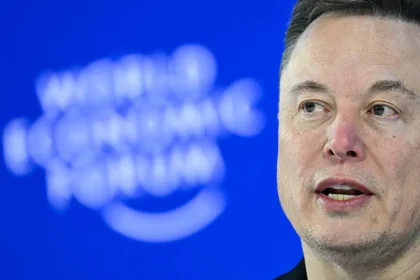
High-profile leaders illustrate the same tension at scale. Personal posts by figures such as Elon Musk routinely blur the boundary between corporate signaling and individual expression, drawing regulatory, legal, and investor scrutiny. The lesson is increasingly clear: for senior executives, there is no longer a meaningful distinction between “personal” and “official” communication online.
At the same time, attention remains a powerful incentive. Some founders who faced online outrage also experienced spikes in brand awareness, media coverage, and product interest. This has fueled a quiet temptation to treat controversy as a growth lever. NewsTrackerToday sees this as a fragile strategy. While provocation can generate short-term visibility, it often anchors a leader’s identity to conflict rather than competence, complicating long-term trust with employees, partners, and regulators.
The broader pattern suggests that executive social media has entered a more disciplined phase. Companies are beginning to professionalize leadership communication, adding guardrails, internal review processes, and clearer accountability. Emotional openness is not disappearing, but it is being reframed through a lens of responsibility rather than spontaneity.
Looking ahead, News Tracker Today expects fewer impulsive posts and more deliberate storytelling from the C-suite. The recommendation for executives is simple but restrictive: treat every post as a leadership action with consequences, not a moment of self-expression. In an environment where perception travels faster than context, restraint may prove to be the most valuable form of authenticity.