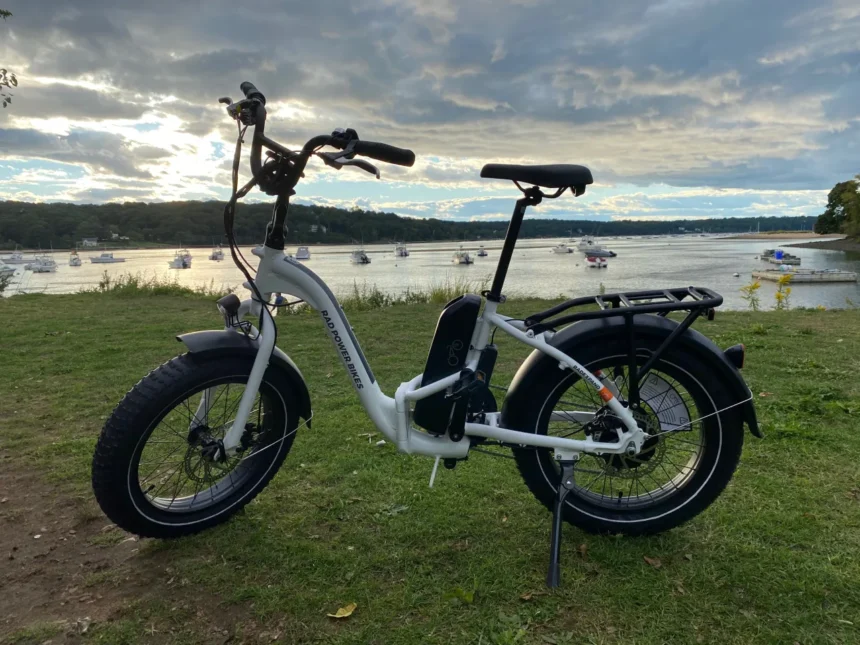
Rad Power Bikes’ decision to seek Chapter 11 protection marks a decisive turning point for the once-dominant electric bicycle brand – and, more broadly, for an industry that has struggled to adapt after the pandemic surge faded. NewsTrackerToday sees the filing not as an isolated failure, but as a case study in how quickly consumer hardware businesses can unravel when growth assumptions collide with regulatory pressure, safety costs and shifting distribution models.
The company plans to continue operating while pursuing a sale of the business within roughly 45 to 60 days, a compressed timeline that suggests limited room for a standalone recovery. From NewsTrackerToday’s perspective, the speed of the proposed sale is designed to stabilize customer service and supplier relationships, but it also underscores the urgency facing the brand as cash constraints tighten and confidence erodes.
Financially, the imbalance is stark. Rad entered the restructuring process with assets significantly below its liabilities, leaving little margin for error without new ownership or capital. A portion of its obligations stems from contested import-related claims, highlighting how exposed micromobility companies remain to trade policy and cross-border supply chains. Liam Anderson, who analyzes market and balance-sheet risk, notes: “In consumer hardware, once pricing power weakens, fixed costs like logistics, tariffs and warranty exposure become unforgiving. Chapter 11 often becomes less about restructuring and more about finding a buyer who can absorb those costs.”
The bankruptcy filing also comes amid heightened scrutiny over battery safety. Recent warnings from U.S. regulators regarding older battery packs have created an additional layer of uncertainty for both customers and potential acquirers. Even as Rad disputes the severity of the assessment, the reputational impact is difficult to contain. NewsTrackerToday views safety concerns as particularly damaging in this category, where long-term trust and after-sales support are central to brand value.
Strategically, Rad had already begun attempting a major pivot. After years of relying on a direct-to-consumer model that fueled rapid growth, the company started shifting toward a retail-focused approach, emphasizing physical stores and service partnerships. Isabella Moretti, who covers corporate strategy and restructuring dynamics, observes: “Retail can strengthen customer relationships over time, but the transition is capital-intensive. Making that shift just as demand cools and scrutiny rises is one of the hardest moments for any consumer brand.”
The broader industry context offers little relief. The global e-bike market expanded rapidly during the pandemic, then normalized into a more competitive and price-sensitive environment. Several high-profile manufacturers have already undergone restructurings or ownership changes, reinforcing a pattern: brands built for speed and scale are being forced to prove durability, safety and service depth. News Tracker Today believes this recalibration is structural rather than cyclical.
What happens next for Rad will depend largely on the profile of its buyer. A strategic acquirer with an existing retail and service footprint could integrate the brand and stabilize operations quickly. A financial buyer may instead focus on streamlining products, reducing geographic reach and prioritizing profitability over growth. Either scenario is likely to involve a leaner company with fewer models and tighter cost controls.
For current riders, the immediate priority is caution and clarity – particularly around battery guidance, servicing arrangements and warranty coverage during the transition. For the wider micromobility sector, Rad’s filing serves as a warning. In a post-boom market, success is no longer defined by units sold, but by reliability, regulatory resilience and the ability to support customers long after the sale. NewsTrackerToday expects further consolidation ahead, with survival increasingly favoring companies that can combine disciplined economics with credible safety and service infrastructure.