The decision by Novo Nordisk and Eli Lilly to cut prices on their blockbuster obesity drugs in China marks a strategic inflection point rather than a simple pricing adjustment. As NewsTrackerToday observes, the move signals that the global GLP-1 market is entering a phase where scale, access, and competitive positioning matter more than short-term margin protection.
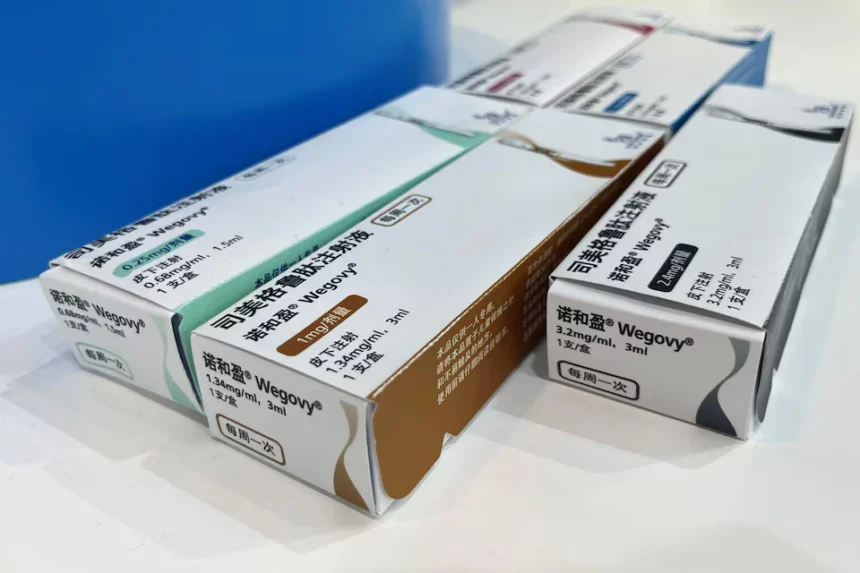
Novo Nordisk confirmed that it is adjusting prices for Wegovy in China, with market data indicating particularly sharp reductions on higher-dose regimens. From a strategic perspective, this targets the biggest barrier to adoption in China: affordability over long treatment cycles. The company appears to be prioritising patient volume and treatment continuity over per-unit profitability, effectively anchoring its product as the default option before competitive pressure intensifies further. According to NewsTrackerToday, this reflects a broader recalibration as China becomes the most consequential growth market for obesity therapies globally.
Eli Lilly is moving in parallel. While the company has not publicly detailed the scope of its price changes, hospital disclosures and online pharmacy listings already point to materially lower prices for Mounjaro beginning this year. The timing is notable. Price discipline across the category is breaking down just as demand accelerates, suggesting that leading players are choosing to compete aggressively now rather than defend premium positioning later. Liam Anderson, financial markets expert, frames the shift bluntly: “When category leaders cut prices simultaneously, the narrative changes from growth potential to execution risk, cost control, and long-term market share.”
The backdrop makes the strategy understandable. China’s obesity and overweight rates are rising rapidly, creating a structurally large addressable market – but one that remains highly price-sensitive. At the same time, the competitive landscape is becoming more complex. Domestic pharmaceutical companies are advancing rival therapies, and future patent timelines add further pressure on incumbents to entrench their presence early. NewsTrackerToday notes that this combination leaves global players little room to delay: locking in distribution channels, physician familiarity, and patient behaviour now may be more valuable than preserving margins in the near term.
The implications extend beyond pricing. Lower list prices strengthen the bargaining position of hospitals, insurers, and digital health platforms, gradually shifting power away from manufacturers. They also raise expectations that obesity treatment becomes a chronic, mass-market therapy rather than a niche premium intervention. Isabella Moretti, corporate strategy and M&A analyst, highlights the trade-off: “In China, price cuts are not a concession – they are an investment. Companies are effectively buying future relevance before local competitors reach scale.”
Looking ahead, the success of these price reductions will depend on execution rather than announcement. Investors should watch whether lower prices translate into longer treatment duration, higher adherence, and durable market share – or whether they simply compress margins without building defensible advantages. For Novo Nordisk and Eli Lilly, the next phase will test operational efficiency, supply chain resilience, and partnership strategy as much as product efficacy.
The broader takeaway is clear. The China market is forcing a reset of how obesity drugs are commercialised worldwide. As News Tracker Today concludes, this is less about winning a price war and more about defining who controls the category once obesity treatment becomes a mainstream, long-term healthcare reality rather than a premium innovation cycle.