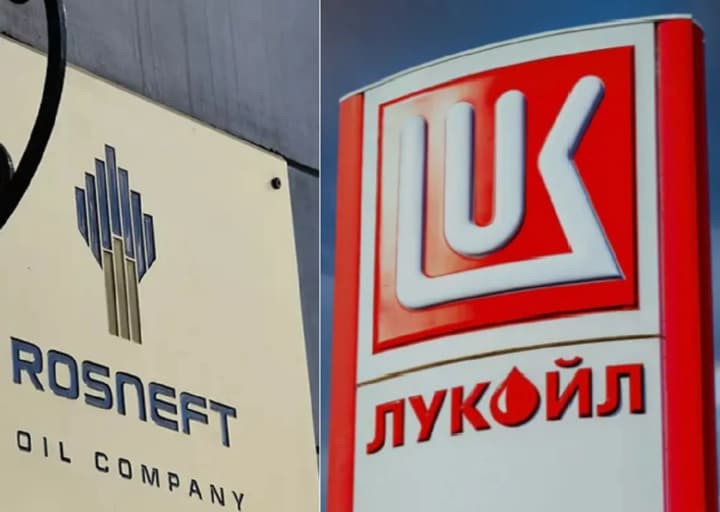
During his second presidential term, Donald Trump introduced sanctions against Russia’s largest oil companies-Rosneft and Lukoil-for the first time. These measures are aimed at restricting financial flows that support the Kremlin’s military activities and increasing pressure on Moscow amid the ongoing conflict in Ukraine. According to analysts at NewsTrackerToday, Washington’s actions demonstrate a determination to combine economic and diplomatic tools to influence key sectors of the Russian economy.
The sanctions target not only the parent companies but also 34 subsidiaries under their control. The U.S. Department of the Treasury has imposed asset freezes and prohibited any transactions by U.S. legal entities and individuals, while secondary sanctions may affect foreign banks and companies that continue to work with the Russian oil giants. The transition period until November 21, 2025, allows previously concluded deals to be completed without violating the law, which NewsTrackerToday interprets as a pragmatic approach by the U.S. to minimize risks for international contracts.
The decision to impose sanctions came in response to the Kremlin’s refusal to cease military actions in Ukraine. Treasury Secretary Scott Bessent noted that “President Putin’s refusal to end this senseless war” was the direct basis for the restrictions. At the same time, Donald Trump canceled a planned meeting with Vladimir Putin in Hungary, signaling a reduction in diplomatic engagement. According to Daniel Wu, an expert in geopolitics and energy, “The sanctions demonstrate a serious U.S. readiness to target Russia’s key energy sector. Their impact on global markets depends on how quickly Moscow can redirect oil exports to countries that do not support the sanctions.”
Oil markets reacted with a 5% increase in Brent prices, partially offsetting losses for Russian companies. “Even a temporary reduction in exports creates pressure on energy markets, encouraging a redistribution of oil supplies to Asia and Latin America,” adds Daniel Wu. In the short term, the restrictions may reduce export volumes, particularly to sanctioning countries, while the long-term resilience of the Russian economy will depend on its ability to adapt to international isolation and find new markets for energy resources.
According to NewsTrackerToday experts, Russia could lose 15-20% of its current oil exports to Western countries over the next 6-12 months, which could temporarily drive Brent prices to $90-95 per barrel. In the medium term, by 2026, partial reorientation of supplies to Asia and the Middle East will allow Russian companies to recover about 60-70% of losses, though pressure on currency reserves and the budget will persist. Globally, the restrictions will stimulate higher energy prices and accelerate the search for alternative supply sources in Europe and North America.
News Tracker Today notes that the introduction of sanctions intensifies pressure on the Kremlin while reshaping the global energy trade landscape. Russian companies will need to accelerate the diversification of export routes and strengthen domestic production to minimize damage. International partners must closely monitor policy and economic developments and adjust strategies to mitigate risks. The U.S. measures demonstrate a systematic approach to limiting financial flows that support Russia’s military capacity and, according to experts, are expected to have a noticeable impact on global oil markets and corporate decisions in the energy sector.