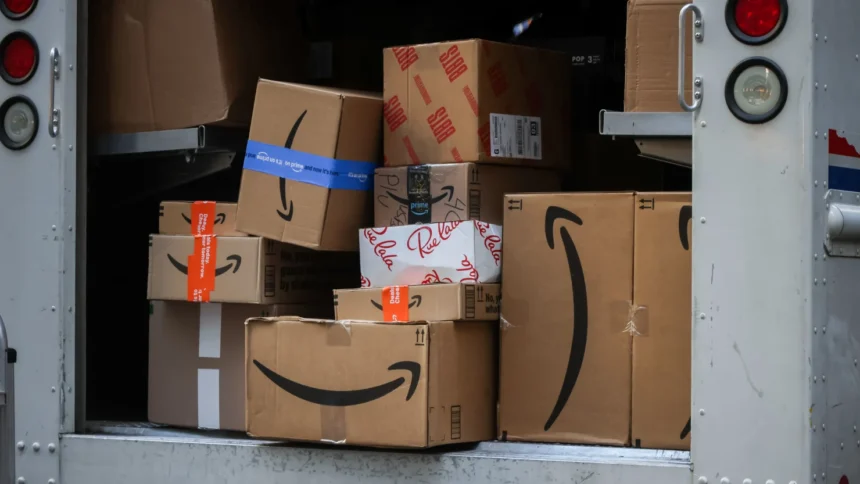
Amazon is testing how far it can push agent-driven commerce, and the early reaction from independent retailers suggests the experiment may reshape – and strain – the relationship between platforms and brands. From the perspective of NewsTrackerToday, the rollout of Shop Direct and the Buy for Me AI agent marks a strategic escalation: Amazon is no longer just hosting sellers, it is attempting to intermediate purchases across the wider internet.
The Shop Direct feature, introduced earlier this year, allows U.S. users to browse products from external brand websites directly within Amazon’s interface. In some cases, listings include a “Buy for Me” button that enables an Amazon AI agent to complete purchases on third-party sites on the customer’s behalf. Amazon frames the initiative as a way for shoppers to “find any product they need,” including items not sold on its marketplace, while helping businesses reach new customers.
However, several online retailers have pushed back, saying their products appeared on Amazon without consent. Some reported incorrect listings or orders for items they do not sell or no longer stock. Others said they only discovered participation after receiving emails from an address associated with Amazon’s Buy for Me agent. While Amazon says brands can opt out at any time and that listings rely on publicly available data, the friction highlights a deeper issue about control and accountability in agent-led commerce.
According to Sophie Leclerc, technology sector analyst at NewsTrackerToday, the conflict is structural rather than accidental. “Agentic commerce changes who ‘owns’ the transaction,” she says. “From the customer’s perspective, it feels like an Amazon purchase. From the brand’s perspective, it can feel like forced drop-shipping with none of the safeguards or intent.”
Amazon insists Buy for Me remains an experiment and does not charge commissions on these transactions. The company also says its systems verify pricing and availability and that the programs have received positive feedback. Still, the rapid expansion – from tens of thousands of items at launch to hundreds of thousands today – increases the risk of errors being amplified at scale.
The dispute also underscores Amazon’s dual posture in the AI race. While the company has restricted access for external shopping agents and pursued legal action against Perplexity over automated browsing, it is simultaneously investing heavily in its own agent tools, including the Rufus shopping chatbot. Competitors such as OpenAI and Google are also developing AI-powered purchasing flows that allow consumers to buy without leaving a chat interface. From a market perspective, Liam Anderson, financial markets analyst at NewsTrackerToday, sees the stakes clearly. “Whoever controls the agent controls the decision point,” he says. “That’s where pricing power, data and future commissions live. Platforms are racing to own that layer before norms and regulations catch up.”
Looking ahead, News Tracker Today expects pressure to build for clearer rules. Brands are likely to demand opt-in participation and stronger guarantees around data accuracy, inventory and customer support. Amazon, for its part, appears unlikely to abandon a strategy that could position it as the operating system for online shopping.
The tension points to a broader shift. Agent-driven commerce promises convenience for consumers, but it blurs long-standing boundaries between platforms, sellers and storefronts. As AI agents increasingly act on behalf of buyers, the question for the industry is no longer whether this model will spread, but who will set the standards – and who will bear the cost when automation gets it wrong.