Honor stepped onto the Mobile World Congress stage with a clear message: differentiation now matters more than incremental upgrades. The company unveiled its experimental “Robot Phone,” showcased the ultra-thin Magic V6 foldable, and teased a humanoid robot concept – all against the backdrop of rising memory prices and tightening global smartphone demand. As NewsTrackerToday emphasizes, hardware innovation in 2026 no longer revolves around marginal camera gains but around redefining user experience.
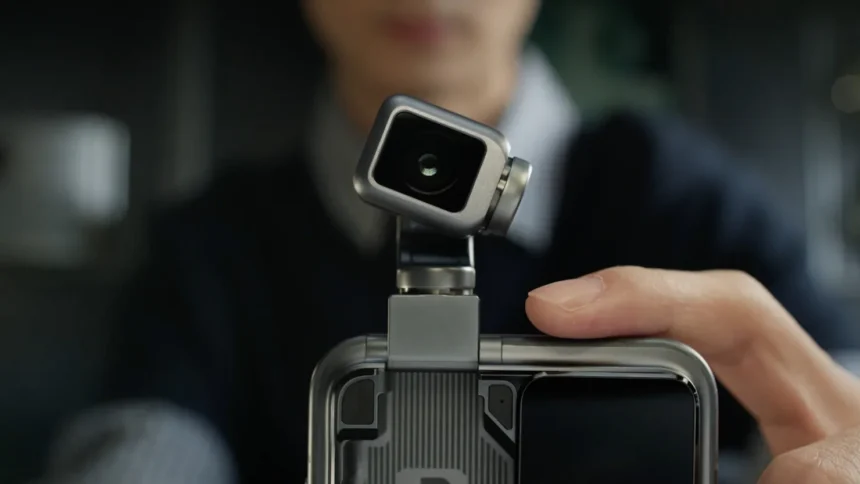
The Robot Phone stands out with a motorized camera module mounted on a robotic arm that extends from the device body. The system tracks subjects in real time, executes programmed cinematic movements, and even responds to voice prompts with subtle physical gestures. Liam Anderson, financial markets analyst, views the move as a calculated premium play: “When volume growth stalls, brands must create emotional differentiation. Mechanical embodiment paired with AI offers narrative value that justifies higher pricing.” Honor plans to begin commercial sales in China later this year, signaling a phased risk-managed rollout.
NewsTrackerToday notes that this approach aligns with broader industry dynamics. Smartphone refresh cycles have lengthened, and users increasingly demand a compelling reason to upgrade. A device that functions as a semi-autonomous filming assistant targets creators and social media users directly, transforming the phone from a passive tool into an active participant. However, execution risk remains high. Durability, mechanical reliability, and energy efficiency will determine whether novelty converts into sustained demand.
Alongside the Robot Phone, Honor introduced the Magic V6 foldable, positioning it as one of the thinnest devices in its category while integrating a high-capacity battery and Qualcomm’s latest premium processor. Daniel Wu, geopolitics and technology analyst, argues that foldables serve as “brand competence showcases rather than pure volume drivers.” He adds that premium foldables elevate perception in overseas markets where brand equity still lags. In Europe, Honor continues to expand but holds a significantly smaller share compared with established leaders, making premium visibility strategically critical.
NewsTrackerToday further highlights the macro pressure shaping these launches. The surge in AI infrastructure investment has tightened global memory supply, driving component costs upward and reshaping device economics. Analysts project average smartphone selling prices to rise while overall shipment volumes decline in 2026. Under these conditions, manufacturers pivot toward higher-margin devices that justify pricing through differentiation rather than scale.
Honor also teased a humanoid robot concept focused on retail assistance, workplace inspections, and companion-style interaction. While details remain limited, the presentation signals ecosystem ambition. The company attempts to frame itself not merely as a handset vendor but as a broader AI-enabled hardware innovator. That positioning mirrors a wider Chinese technology trend: expanding from consumer electronics into embodied AI systems.
The strategic logic remains clear. When memory shortages pressure margins and mainstream models converge in design, companies must sell narrative, engineering identity, and ecosystem depth. As News Tracker Today assesses, Honor’s 2026 roadmap reflects a calculated transition from mid-tier challenger to premium disruptor. The ultimate test will not come from stage demonstrations but from market reception – especially in Europe, where brand trust, service reliability, and long-term durability matter as much as spectacle.