Tariffs have turned the U.S. leather industry into a live stress test of global supply chains. In NewsTrackerToday, the turmoil at Twisted X illustrates how quickly policy shocks translate into higher consumer prices – and why those increases are unlikely to reverse anytime soon.
After the Trump administration imposed sweeping import tariffs in April, Twisted X was forced into crisis mode. Shipments were halted mid-transit, invoices shifted by the hour, and margins became nearly impossible to forecast. The disruption was not isolated. Across the leather sector, pre-tariff inventories have been exhausted, while replacement orders now carry structurally higher costs.
The problem runs deeper than a single levy. Leather goods are exposed to tariffs at multiple stages: tanning, processing, assembly, and re-importation. Even when brands move production away from China, alternative hubs such as Vietnam, India, and Bangladesh have introduced delays, capacity constraints, or new tariff risks of their own. According to Ethan Cole (macro and trade policy), this “layered cost effect” means that a nominal tariff quickly multiplies into a far larger pricing shock by the time goods reach U.S. shelves.
Price pressure is already visible. Twisted X has raised prices modestly this year, while larger players across footwear and accessories are warning investors that tariff-related costs are weighing on profitability. At NewsTrackerToday, Isabella Moretti, corporate strategy and M&A analyst, notes that mid-market brands face the sharpest dilemma: absorb costs and erode margins, or raise prices and risk demand softness.
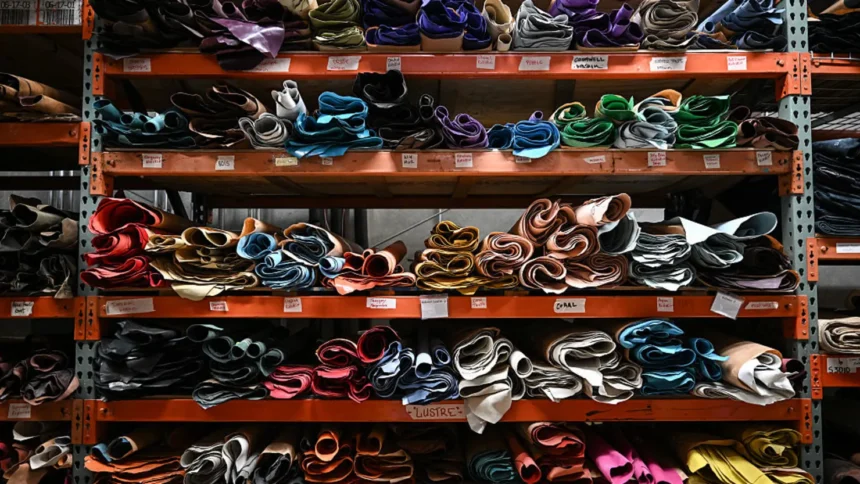
Structural constraints limit escape routes. Domestic leather production has declined for decades, leaving few viable options for reshoring at scale. At the same time, U.S. cattle herds are at historic lows, tightening supply of high-quality hides and pushing raw material costs higher regardless of trade policy. Even synthetic alternatives offer limited relief, as petrochemical inputs are themselves exposed to tariffs and logistics volatility.
In News Tracker Today, the outlook is increasingly clear. Analysts expect leather footwear and accessories to rise by roughly 20% or more over the next one to two years, with 2026 shaping up as the point when consumers feel the full impact. Liam Anderson (financial markets) adds that investors are now prioritizing margin discipline over volume growth, reinforcing the incentive for brands to pass costs through rather than absorb them.
The leather industry is entering a phase of lasting repricing rather than a temporary spike. Tariffs, fragile supply chains, and tightening raw material availability are resetting cost structures across the sector. For companies, resilience now depends on tighter supplier control and fewer cost chokepoints. For consumers, lower prices are unlikely to re-emerge once these increases are embedded.