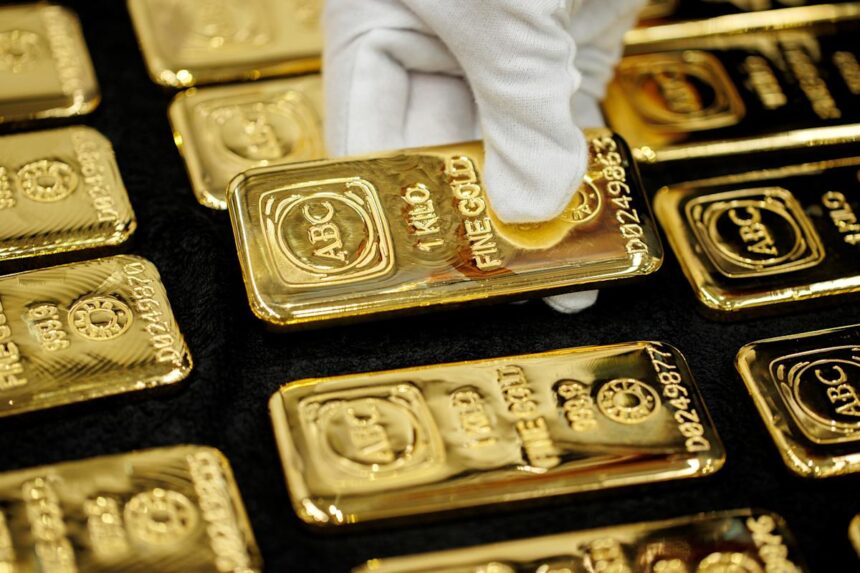
Gold has pushed into uncharted territory, breaking above $4,500 an ounce as investors accelerate their shift into hard assets amid geopolitical stress and expectations of looser U.S. monetary policy. Silver and platinum followed, both setting fresh records and reinforcing the view that the precious metals rally is no longer isolated to a single market.
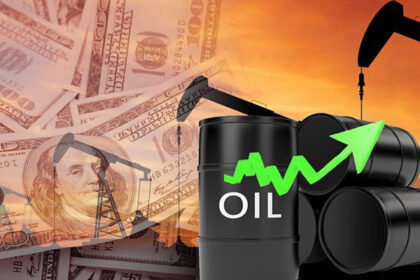
In NewsTrackerToday, the latest move reflects a convergence of macro and political forces rather than speculative excess. Tensions surrounding Venezuela, including U.S. actions targeting oil shipments, have revived demand for safe havens. At the same time, growing conviction that the Federal Reserve will cut rates further next year continues to support non-yielding assets such as gold.
Gold is now up nearly 70% this year, while silver has surged almost 150%, marking the strongest annual performance for both metals since the late 1970s. Central bank buying remains a core pillar of demand, while steady inflows into physically backed ETFs point to sustained institutional participation rather than short-term trading.
According to Ethan Cole (macro and monetary policy), the rally is being driven by a repricing of sovereign risk rather than inflation alone. Rising debt levels, political pressure on central banks, and uncertainty around global trade rules have pushed investors toward assets perceived as insulated from policy error.
Silver’s breakout above $70 an ounce, with prices briefly touching $72.70, has been even more aggressive. Unlike previous spikes driven by leverage, the current move is underpinned by physical tightness and lingering supply disruptions following October’s short squeeze. Inventories remain unevenly distributed, with a large share concentrated in New York as traders hedge against potential U.S. trade restrictions.
In NewsTrackerToday, this matters because silver straddles both investment and industrial demand. Any escalation in trade or tariff risk could amplify volatility far beyond what is typical for precious metals.
Platinum joined the rally, climbing above $2,300 an ounce for the first time on record. The metal has risen roughly 150% this year, supported by constrained supply, logistical shifts between London and U.S. markets, and ongoing production disruptions in South Africa. The move marks the longest winning streak for platinum since 2017.
Liam Anderson (financial markets) notes that platinum’s surge reflects a structural squeeze rather than momentum trading. Limited inventories leave little buffer against incremental demand, making price swings sharper once confidence turns.
Technical indicators suggest stretched conditions. Gold’s 14-day relative strength index has moved above 80, while silver has hovered near similar levels for weeks – thresholds that typically signal overbought markets.
Yet in News Tracker Today, these signals have so far failed to slow the rally. When capital flows are driven by hedging against systemic risk rather than return optimization, traditional momentum limits tend to lose relevance.
The rally across gold, silver, and platinum reflects a broader erosion of confidence in financial and political stability rather than a single catalyst. As long as rate-cut expectations, geopolitical stress, and balance-sheet concerns persist, precious metals are likely to remain a core destination for defensive capital – even at historically elevated prices.