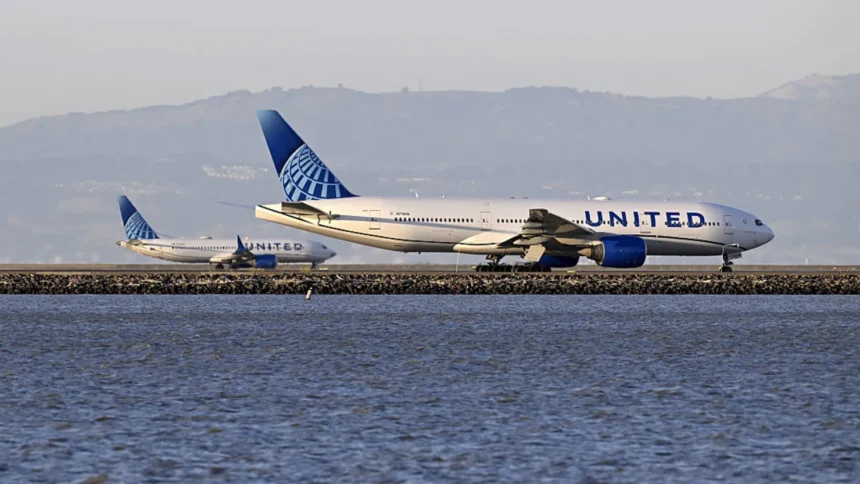
United Airlines is undertaking the most significant overhaul of its MileagePlus program in more than a decade, reshaping how customers earn and redeem miles – and placing co-branded credit card ownership at the center of the ecosystem. The shift reflects a broader recalibration across the airline industry, where loyalty programs have evolved into high-margin financial engines rather than simple reward schemes for distance flown.
As previously analyzed by NewsTrackerToday, large U.S. carriers increasingly rely on partnerships with financial institutions as a core revenue driver. Banks purchase miles in bulk, distribute them through premium travel cards, and generate recurring fee income. That structural reality explains why United’s new framework explicitly rewards cardholders with higher earning rates and discounted award pricing, while reducing mileage accrual for customers without a United card.
Under the revised system, non-cardholders will earn fewer miles per dollar spent on tickets than before. Cardholders, by contrast, will see enhanced multipliers, particularly if they use the United-branded credit card to complete the purchase. Elite MileagePlus members who also hold a card benefit most, receiving higher accrual rates and meaningful discounts on premium-cabin redemptions, including long-haul Polaris seats.
Liam Anderson, financial markets specialist, notes that this reflects a transformation in airline economics rather than a tactical adjustment. “Loyalty programs function as financial platforms. Revenue generated from credit card partnerships can stabilize earnings even during periods of demand volatility,” he explains. According to Anderson, reinforcing card ownership strengthens recurring income streams while deepening customer lock-in.
The competitive context is equally important. NewsTrackerToday has observed intensifying rivalry in the premium travel card segment, where products like American Express Platinum, Capital One Venture X, and Chase Sapphire Reserve compete for affluent travelers. United’s changes are designed not only to defend market share but to secure wallet share – encouraging customers to prioritize its card for everyday spending.
Sophie Leclerc, aviation and mobility analyst, highlights the segmentation strategy embedded in the update. “The airline is concentrating benefits around high-value customers. Those who combine status and card ownership gain outsized advantages, while infrequent travelers see diminished value,” she says. In practical terms, this creates a two-tier loyalty structure where participation in the financial ecosystem determines reward potential.
Corporate travelers represent a nuanced case. Many are required to book through company-issued cards, yet United confirmed that individuals holding personal United cards will still earn enhanced mileage rates. NewsTrackerToday views this as an attempt to preserve personal loyalty behavior even within institutional booking frameworks.
The economic rationale behind the overhaul aligns with broader industry dynamics. Over the past decade, airlines shifted from distance-based rewards to revenue-based accrual models. The current phase adds a financial-product layer to that structure. Award discounts for cardholders – including access to saver-level inventory – increase the perceived exclusivity of the program while managing redemption costs more efficiently.
From an investment perspective, the implications are significant. NewsTrackerToday expects analysts to monitor co-branded card growth, incremental revenue per loyalty member, and redemption liability management. If card adoption accelerates, United could strengthen both cash flow predictability and customer retention. If value erosion among non-cardholders becomes too pronounced, competitive switching risk may rise.
Looking ahead, loyalty programs are likely to become even more data-driven. AI-based personalization, dynamic award pricing, and targeted multipliers could further differentiate travelers based on profitability rather than flight frequency alone.
News Tracker Today anticipates additional refinements across the sector in 2026 as carriers optimize loyalty economics in response to shifting consumer behavior. The direction is unmistakable: airline loyalty is no longer primarily about miles flown. It is about integrated financial engagement – and the most valuable rewards now depend on what sits in the traveler’s wallet as much as where the traveler flies.