The rapid expansion of artificial intelligence infrastructure is beginning to reshape climate strategies across the technology sector. As NewsTrackerToday notes, major technology companies are dramatically increasing purchases of carbon credits as they attempt to offset emissions tied to massive investments in AI infrastructure and data centers. Since the launch of generative AI systems in 2022, firms such as Amazon, Alphabet, Microsoft and Meta have accelerated spending on carbon removal projects while simultaneously committing hundreds of billions of dollars to build new computing capacity.
Industry data suggests that purchases of permanent carbon-removal credits have surged from only tens of thousands of units in 2022 to tens of millions within just a few years. Each carbon credit represents one metric ton of carbon dioxide removed or prevented from entering the atmosphere. According to Daniel Wu, a geopolitics and energy expert, this surge reflects a structural shift rather than a temporary market reaction. In his view, the rapid build-out of hyperscale AI infrastructure is placing unprecedented pressure on global electricity systems, making carbon-removal markets an increasingly important mechanism for companies attempting to reconcile climate pledges with technological expansion.
The financial scale of this transformation is significant. Amazon, Alphabet, Microsoft and Meta are collectively expected to invest around $700 billion in artificial intelligence infrastructure in the coming years. These investments include hyperscale data centers, specialized chips and high-performance computing clusters that require enormous amounts of electricity and cooling capacity. Sophie Leclerc, a technology sector analyst, argues that AI’s energy footprint is quickly becoming one of the defining strategic challenges for the industry. In her assessment, the combination of rapid AI adoption and limited clean-energy supply means carbon-removal markets will likely expand alongside the AI economy.
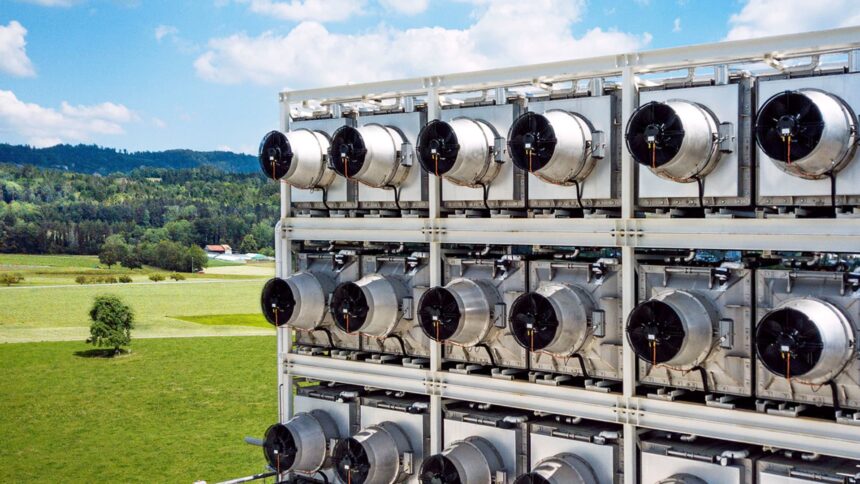
As previously reported by NewsTrackerToday, Microsoft has emerged as one of the most active participants in the carbon-removal market. The company has significantly increased its purchases of carbon credits as part of its broader strategy to become carbon negative by 2030. Large multi-year agreements for carbon removal technologies – including direct air capture and long-term storage solutions – have helped accelerate investment in emerging climate technologies while signaling long-term demand for the sector.
The broader industry, however, is pursuing a mix of strategies. Amazon has introduced platforms that allow corporate partners to purchase carbon credits, while also investing heavily in renewable energy projects and energy-efficient data center designs. Google and Meta continue expanding renewable energy procurement while developing more efficient computing infrastructure to reduce emissions from AI workloads. Still, NewsTrackerToday notes that the pace of AI infrastructure expansion is currently outstripping the speed at which clean energy capacity can be deployed.
Experts emphasize that carbon removal is not intended to replace emissions reductions but rather to complement them. Scientific climate scenarios suggest that removing carbon from the atmosphere will likely be necessary to offset emissions that are difficult to eliminate entirely. However, concerns remain about the quality and durability of some carbon credits, particularly those based on nature-based solutions such as forestry projects that may not permanently store carbon.
Another key issue is the growing energy intensity of AI systems themselves. Training advanced models requires vast clusters of specialized processors running continuously for extended periods, while the deployment of AI services generates additional computing demand through inference workloads. According to Daniel Wu, this trend means that the environmental impact of AI will increasingly depend on how efficiently new data centers can integrate renewable energy and cooling technologies.
At the same time, the surge in carbon-credit purchases could help accelerate the development of a new industrial sector focused on carbon removal. Large long-term procurement agreements provide financial certainty for startups developing technologies such as mineralization, biochar and direct air capture. Sophie Leclerc notes that demand signals from major technology companies are already helping to attract venture capital into climate-technology markets that previously struggled to scale.
Ultimately, the intersection of artificial intelligence growth and climate commitments is becoming a defining issue for the technology sector. The companies leading the AI revolution must now balance two competing forces: the economic incentives driving rapid expansion of computing infrastructure and the environmental commitments they have made to investors and governments. As News Tracker Today concludes, the ability of major technology firms to align AI development with credible climate strategies will likely determine whether the next decade of technological innovation can proceed without undermining global sustainability goals.