Lucid Motors has appointed veteran industrial executive Silvio Napoli as its new chief executive, ending a prolonged leadership vacuum and signaling a strategic reset at a critical moment for the electric vehicle maker. The announcement comes alongside fresh capital commitments from Uber and Saudi Arabia’s Public Investment Fund, reinforcing investor backing as the company attempts to stabilize operations and scale production. As NewsTrackerToday tracks the evolving EV landscape, Lucid’s leadership shift reflects mounting pressure on startups to transition from ambition to execution.
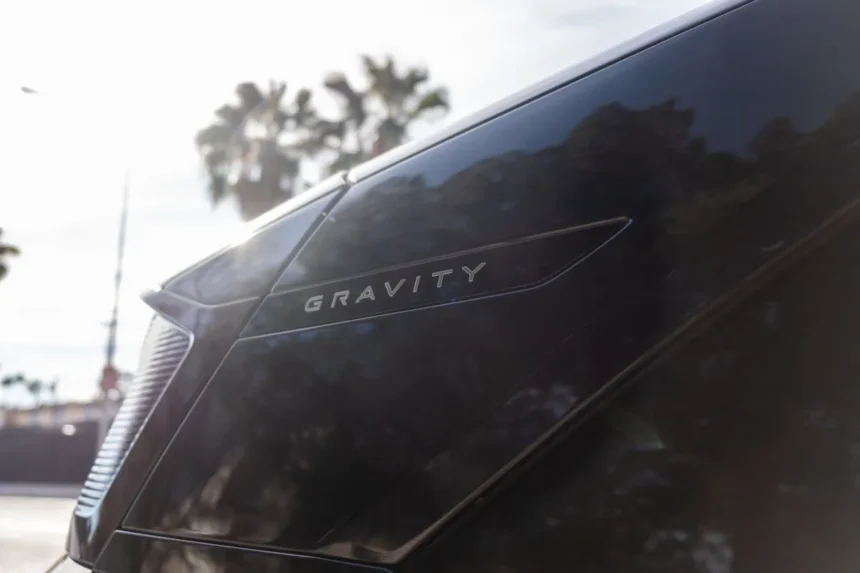
Napoli’s appointment follows more than a year of interim leadership after the sudden departure of former CEO Peter Rawlinson. His background at Schindler Group suggests a focus on operational efficiency and disciplined growth – priorities that align with Lucid’s immediate challenges. The company has struggled to build sustained demand for its Air sedan and is now relying heavily on the rollout of its Gravity SUV and upcoming mid-sized vehicles to broaden its market reach.
At the same time, financial support remains a cornerstone of Lucid’s strategy. Uber has expanded its commitment to the company, increasing its investment to $500 million and agreeing to purchase tens of thousands of robotaxi-ready vehicles. This partnership ties Lucid’s future closely to the development of autonomous mobility services, where fleet sales could provide a more stable revenue stream than traditional consumer demand. NewsTrackerToday highlights how such alliances increasingly serve as lifelines for capital-intensive EV manufacturers navigating uncertain market conditions.
Isabella Moretti, who specializes in corporate strategy and M&A, interprets the combined leadership change and funding influx as a coordinated effort to reposition Lucid within the broader mobility ecosystem. By aligning with a major ride-hailing platform and securing continued backing from sovereign wealth, the company strengthens its strategic optionality – balancing consumer sales with commercial partnerships.
Operational restructuring underscores the urgency of this transition. Lucid has implemented workforce reductions and cut contractor headcount at its Arizona facility in an effort to improve cost efficiency. These measures reflect a broader industry trend, where EV startups are shifting from aggressive expansion to tighter financial discipline after years of heavy investment. NewsTrackerToday observes that this pivot toward cost control often precedes attempts to achieve production scale and profitability.
Liam Anderson, an expert in financial markets, notes that investor confidence hinges on Lucid’s ability to deliver its next generation of vehicles on time and within budget. The planned mid-sized platform, targeting a more accessible price point, represents a crucial opportunity to expand beyond the luxury segment. However, execution risks remain high, particularly given previous quality issues during the Gravity SUV rollout.
The company’s reliance on continued funding from the Public Investment Fund further illustrates the capital intensity of the EV sector. Saudi backing has played a central role in sustaining Lucid’s operations, but long-term viability will depend on reducing dependence on external financing through improved margins and higher sales volumes.
Lucid’s strategic reset combines leadership change, financial reinforcement, and a renewed focus on execution – all under the pressure of an increasingly competitive EV market. News Tracker Today frames this moment as a decisive test for the company, where operational discipline and partnership-driven growth will determine whether it can transition from a promising startup into a sustainable automotive contender.