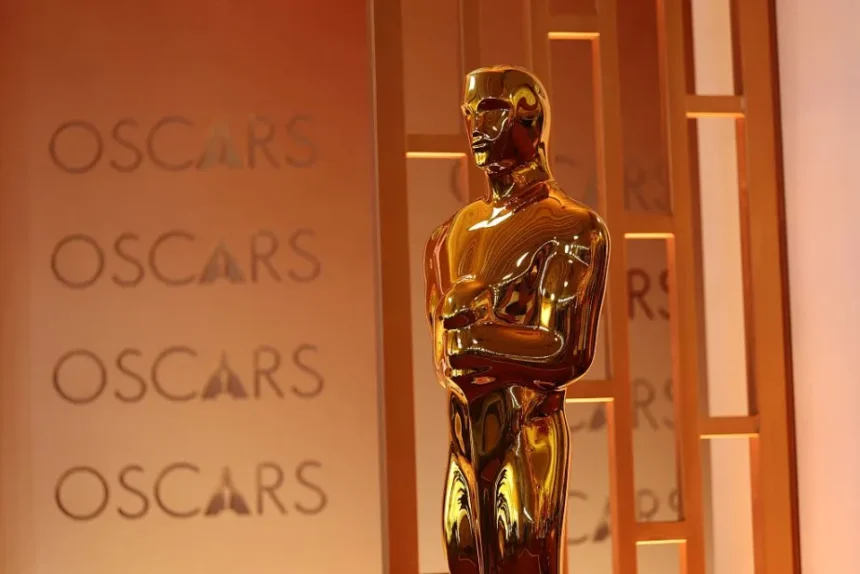
The Academy of Motion Picture Arts and Sciences has introduced a decisive boundary between human creativity and machine-generated output, unveiling new eligibility rules that bar AI-created performances and scripts from Oscar consideration – a move NewsTrackerToday underscores as a turning point in how the film industry defines authorship. Only performances carried out by real actors with consent and proper billing now qualify, while screenplay recognition remains strictly reserved for human writers.
This shift arrives as generative tools begin to influence not just production workflows but the very identity of on-screen talent. Projects experimenting with digital recreations – including efforts involving Val Kilmer – highlight how quickly technological capabilities have outpaced regulatory frameworks. By drawing a firm line, the Academy signals that innovation will not override the principle of human ownership in storytelling.
Sophie Leclerc, a technology sector specialist, frames the decision as a structural safeguard rather than an outright rejection of AI. She points to unresolved questions around intellectual property and consent, particularly as virtual figures like Tilly Norwood gain traction. The visibility of such cases has intensified pressure on institutions to clarify where creative credit begins and ends. NewsTrackerToday explores how the updated rules echo concerns that surfaced during the 2023 writers’ and actors’ strikes, when industry professionals pushed back against the unchecked use of generative systems. Embedding human authorship into award criteria effectively transforms those demands into enforceable standards, reducing ambiguity around eligibility while reinforcing labor protections.
The implications extend beyond film. A recent publishing controversy – where a novel faced withdrawal over suspected AI involvement – illustrates how cultural gatekeepers are converging around similar principles. NewsTrackerToday highlights that recognition systems increasingly function as filters, distinguishing between human-driven work and algorithmically assisted output in ways that shape both reputation and market value. Isabella Moretti, a corporate strategy and M&A specialist, interprets the move as a brand preservation strategy. Awards operate as signals that guide financing and distribution decisions, and introducing AI-generated contenders could erode clarity around creative merit. Maintaining strict criteria ensures that the symbolic weight of recognition remains intact.
Rather than eliminating AI from the creative process, the Academy repositions it as a supporting instrument rather than a primary author. Filmmakers retain access to advanced tools, yet responsibility for the final work must remain traceable to human creators. News Tracker Today emphasizes that this approach could influence parallel decisions across entertainment and publishing, where the definition of originality is rapidly being rewritten.