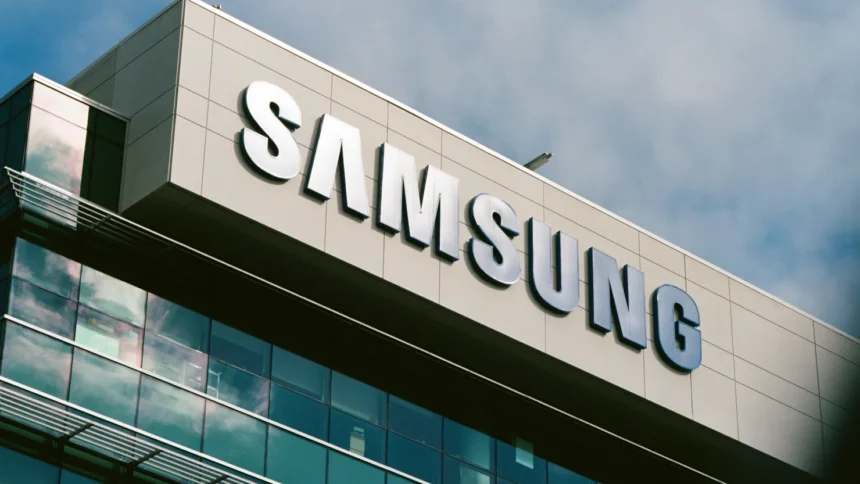
Shares of Samsung Electronics soared more than 15% in a single session, propelling the chipmaker beyond a $1 trillion valuation and reinforcing the intensity of investor appetite for artificial intelligence infrastructure plays. The move, which NewsTrackerToday highlights as a defining signal of capital rotation into memory-driven growth, followed a breakout quarter that reset expectations for the company’s earnings trajectory.
The rally did not emerge in isolation. Record first-quarter results – including an eightfold jump in operating profit and all-time-high revenue – reshaped the narrative around memory cycles, traditionally seen as volatile. Instead, AI workloads have begun to anchor demand at structurally higher levels. This shift becomes more evident as Apple explores diversifying chip production partnerships beyond TSMC, potentially involving both Samsung and Intel in future U.S.-based manufacturing.
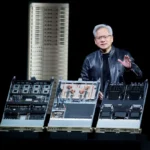
Momentum extended across the sector, with SK Hynix also posting double-digit gains, reflecting a broader repricing of memory assets. NewsTrackerToday examines how high-bandwidth memory – particularly next-generation HBM4 – has become a strategic battleground, as these chips underpin advanced AI systems such as those tied to Nvidia architectures. Sophie Leclerc, a technology sector specialist, views the current cycle as structurally different from past semiconductor booms. She points to the convergence of limited supply expansion timelines and exponential compute demand, arguing that memory has transitioned from a commoditized input into a bottleneck resource. That dynamic reshapes pricing power, especially for firms capable of scaling cutting-edge production.
Samsung’s progress in narrowing the gap with SK Hynix adds another layer to the story. While SK Hynix maintains leadership in HBM market share, improving customer reception for Samsung’s latest products signals a competitive rebalancing. NewsTrackerToday explores how investor focus has already begun shifting away from pure market share comparisons toward profitability dynamics in conventional DRAM, where margins have recently overtaken those of HBM. Liam Anderson, a financial markets expert, frames the surge as a function of constrained supply rather than speculative excess. He notes that semiconductor fabrication capacity requires years to materialize, creating a lag that sustains elevated pricing environments. In this context, earnings visibility for major memory producers extends further than in previous cycles, reinforcing equity valuations despite already significant gains.
The interplay between AI demand, manufacturing constraints, and shifting competitive positions suggests that the current rally reflects deeper structural forces rather than short-term enthusiasm. As capital continues to concentrate around infrastructure enabling AI expansion, News Tracker Today underscores that memory producers now occupy a central role in shaping both technological progress and market leadership over the coming years.