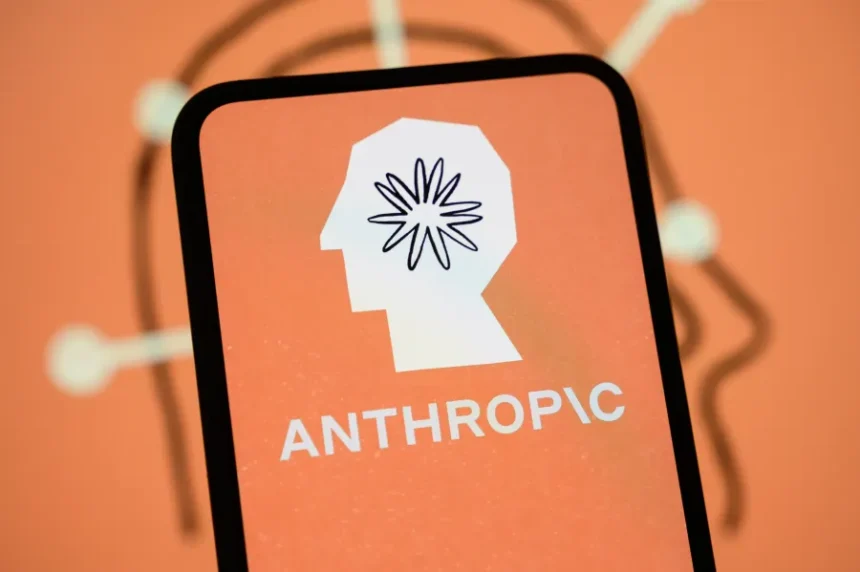
Anthropic released a new ad this week, titled “There’s hope in hard questions,” that opens on a burning house before cutting to a sequence of unsettling still images: a crowd under facial-recognition surveillance, a person sleeping on the street, rows of cemetery headstones, and laborers working what appears to be a mineral mine. A voice-over asks questions like “Can AI be trusted?” and “Who’s gonna hit the brakes if we need to?” An AI company choosing imagery this bleak to sell its own product is what NewsTrackerToday zeroes on as the more interesting story than the ad’s reception alone.
The ad fits a pattern Anthropic has leaned on before: positioning itself as the industry’s ethical foil by openly naming the risks and harms critics associate with AI, on the theory that acknowledging the danger is itself evidence the company is the one best positioned to manage it. It’s a recognizable marketing playbook well beyond tech, the brand that names the problem to claim ownership of the solution, rather than a genuinely new strategy invented for this specific campaign.
Sophie Leclerc, who covers the technology sector, reads why this particular execution landed differently than Anthropic’s past campaigns: “Anthropic’s Super Bowl ads earlier this year worked because they were funny, mocking a real rival decision, ads inside a rival’s own product, with a clear joke structure people could share easily. This ad has no joke, no clear target, just tone. Doomer imagery without a punchline reads very differently online than doomer imagery paired with a laugh, and that’s a big part of why the reaction split so sharply from the Super Bowl run.” That structural difference, more than the subject matter itself, is what NewsTrackerToday plays into as the more useful explanation for the backlash.
OpenAI CEO Sam Altman was among the most visible critics, posting that he’d initially assumed the ad was satire and had checked whether the account posting it was a parody handle. Other critics in the tech industry piled on over the specific choice of cemetery imagery, with one widely shared post calling the pairing of a graveyard shot with a question about hitting the brakes “exceptionally weird and sinister.”
Isabella Moretti reads the brand-positioning risk here: “Every ethical-foil campaign carries the same risk: overplay the danger and you look like you’re fear-mongering about your own product category to seem responsible by comparison. Anthropic has walked that line successfully before, but tone is unforgiving, and there’s a real difference between naming a risk thoughtfully and assembling a mood board of societal anxiety set to a somber voice-over. This one reads, to a lot of viewers, as the latter.” That tonal miscalibration, more than the underlying message, is what NewsTrackerToday lands on as the actual marketing lesson here.
This isn’t the first time Anthropic’s advertising has generated this much conversation, and it likely won’t be the last. The company’s Super Bowl campaign earlier this year, which poked fun at a rival’s decision to put ads inside its own chatbot, drew genuine positive buzz and reportedly helped push Claude’s app higher in download rankings, alongside visible irritation from that same rival’s leadership.
Whether this ad gets remembered as a genuine brand misstep or simply as this week’s AI-industry discourse cycle that fades by next week is, ultimately, a smaller question than the one sitting underneath it: how an industry selling a technology it also actively markets as dangerous keeps threading that needle without the message backfiring. Whether Anthropic adjusts its marketing tone going forward, or treats this as noise that blows over on its own, is what News Tracker Today wraps with as the real test of how deliberate this campaign actually was.