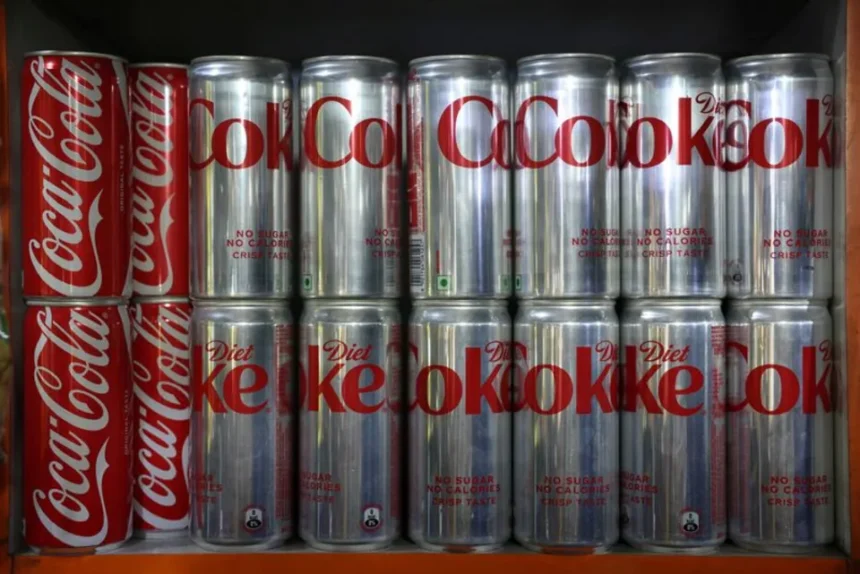
Coca-Cola has raised Diet Coke prices in India by more than 10% after the ongoing conflict involving Iran disrupted supplies of the aluminum cans the drink is sold in almost exclusively across the country, according to people with direct knowledge of the matter. The company has been forced to source pricier, larger cans from Southeast Asia to keep the product on shelves at all. A soft drink’s packaging supply chain becoming a casualty of a war fought over a shipping lane thousands of miles away is what NewsTrackerToday traces to as the more revealing detail than the price increase itself.
The mechanism is specific: the Strait of Hormuz, a critical route for aluminum cans and related raw materials reaching India, has virtually closed again to commercial traffic after an interim truce meant to end the Iran conflict collapsed, with fears the disruption could widen to block an additional sea route entirely. Diet Coke’s exposure to this specific chokepoint is unusually direct because, unlike most of Coca-Cola’s other products in India, it’s sold predominantly in cans rather than the plastic or glass bottles that make up most of the rest of the portfolio.
Daniel Wu, who covers geopolitics and energy, reads why this single product became the visible casualty of a much larger supply disruption: “Coca-Cola and Pepsi count India among their most important growth markets globally, and most of their drink lineup sold there uses plastic and glass rather than aluminum, insulating the bulk of their India business from this specific disruption. Diet Coke’s packaging concentration in cans is almost accidental exposure, a single-product vulnerability inside an otherwise diversified regional portfolio, which is exactly why it became the one product visibly affected while the rest of the lineup stayed largely intact.” That concentrated, almost incidental exposure, more than any broader strategic vulnerability, is what NewsTrackerToday weighs on as the more precise explanation for why this specific product became the story.
The company’s response reveals the scale of the scramble: it has rolled out 330-milliliter cans priced at 50 rupees to replace the standard 300-milliliter can that previously sold for 40 rupees, a price increase that works out to roughly 13.6% on a per-milliliter basis once the size change is accounted for. At least one Indian bottler has also begun offering Diet Coke in small glass bottles for a limited time, a meaningfully more expensive format than the canned product it’s substituting for.
Ethan Cole reads the consumer-side response as its own small economic story: “Diet Coke has built an unusually devoted following among health-conscious consumers in India, popular enough that pubs and social media influencers have started organizing ‘Diet Coke parties’ charging $10 to $16 entry fees for access to the drink alongside music and alcohol, a genuinely unusual monetization of a beverage shortage. That kind of grassroots scarcity premium tells you the brand loyalty here is real enough that Coca-Cola has real pricing power to work with, even as the underlying supply problem squeezes its margins on the product.” That brand loyalty acting as a buffer against the price increase, more than the increase itself, is what NewsTrackerToday hinges round as the more interesting consumer dynamic in this story.
Coca-Cola has not publicly announced the pricing changes and did not respond to requests for comment on the shift, leaving the specifics of the strategy, and how long it’s expected to last, confirmed only through people with direct knowledge of the situation rather than the company itself.
None of this confirms how long the Strait of Hormuz disruption persists or whether Coca-Cola’s Southeast Asia sourcing workaround becomes a permanent fixture of its India supply chain rather than a temporary bridge. Whether the collapsed truce gets renegotiated in a way that reopens the shipping route this packaging supply chain depends on, or whether Coca-Cola ends up permanently restructuring how it sources cans for the Indian market regardless of how the underlying conflict resolves, is what News Tracker Today lands on as the real question this price increase leaves unanswered.