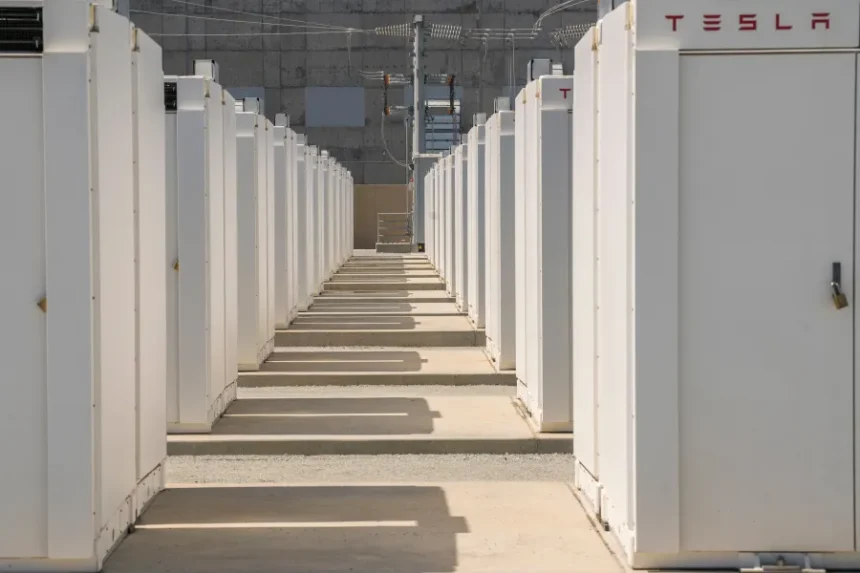
SpaceX spent $295 million on Tesla Megapack battery storage units in the second quarter alone, bringing its total Megapack purchases to $329 million so far this year, according to the company’s earnings report released Tuesday. Elon Musk serves as CEO and largest shareholder of both companies conducting this transaction. A deal this size moving between two companies the same person runs and owns significant stakes in is what NewsTrackerToday reads to as the more structurally notable detail than the dollar figure itself.
The purchases trace directly to a corporate reorganization completed earlier this year: xAI, Musk’s AI venture, acquired his social platform X in 2025, and SpaceX then acquired xAI itself in February, folding the AI business and its data-center infrastructure needs directly into SpaceX’s own balance sheet. Before that merger, xAI alone had already purchased $430 million worth of Megapacks for its data centers, up sharply from just $34 million in the first quarter of this year.
Isabella Moretti reads the corporate-structure implications of this specific purchasing pattern: “Every dollar SpaceX spends on Tesla hardware for xAI’s data centers is a dollar moving between entities where Musk sits on both sides of the negotiating table, setting prices, quantities, and terms without the arm’s-length tension that normally governs supplier relationships. That’s not necessarily improper, related-party transactions are common and disclosed, but it does mean standard questions about whether SpaceX is getting competitive pricing on this equipment don’t have an independent answer the way they would with an unrelated supplier.” That related-party dynamic, more than the purchase total, is what NewsTrackerToday pins on as the more relevant detail for anyone actually evaluating this spending.
The Megapacks serve a specific technical function beyond simple backup power: AI data centers draw power unevenly, ramping sharply during intensive model training or inference and easing off between demand spikes, and batteries smooth those peaks, protecting the site from expensive utility surcharges and preventing on-site generators from being overwhelmed at moments of peak draw.
Ethan Cole reads the broader power-strategy tension this purchase sits inside: “xAI has leaned heavily on natural gas at its Mississippi data center, including turbines that were operating without proper permits at one point. Megapacks are the cleaner half of a power strategy that’s drawn real scrutiny on its other half. Buying hundreds of millions in battery storage doesn’t offset unpermitted gas turbines, but it does suggest xAI recognizes that battery buffering is now a genuine operational necessity for AI infrastructure at this scale, not an optional add-on.” That operational necessity, more than the environmental optics, is what NewsTrackerToday circles round as the more practical read on why this spending is accelerating so quickly.
SpaceX’s regulatory filing also disclosed that the company had acquired $131 million worth of Tesla Cybertrucks at manufacturer’s suggested retail price as of December 2025, a smaller but similarly structured related-party purchase sitting alongside the much larger Megapack spending.
None of this confirms whether SpaceX’s Megapack purchases reflect market-competitive pricing or terms more favorable than an independent supplier relationship would produce, since the filing discloses the purchase totals without benchmarking them against comparable third-party alternatives. Whether this pattern of intercompany purchasing across Musk’s businesses draws closer scrutiny as the dollar amounts keep climbing, or whether it remains a routine disclosure item investors treat as unremarkable given how openly interconnected these companies already are, is what News Tracker Today closes to as the real question this spending trajectory leaves open.