The rapid expansion of artificial intelligence infrastructure is beginning to reshape electricity markets, drawing growing attention to the energy demands of large data centers. Across several regions in the United States, communities and policymakers are questioning whether the surge in hyperscale computing facilities is contributing to higher household electricity bills. The issue has gained visibility as technology companies accelerate construction of AI data centers, a development closely followed by NewsTrackerToday.
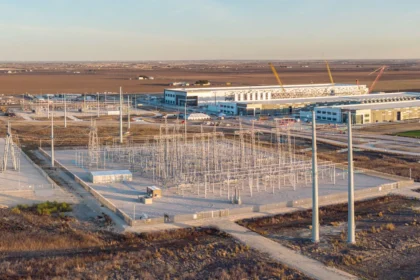
Modern AI facilities equipped with thousands of specialized processors require continuous power to train and operate advanced models. Some hyperscale campuses consume electricity on the scale of a medium-sized city, particularly when running large clusters of AI hardware around the clock.
Residential electricity prices in the United States have risen significantly in recent years. Average household costs have increased from about 12.76 cents per kilowatt-hour in 2020 to more than 17 cents by early 2026, with projections suggesting prices could approach 19 cents by 2027. These increases have intensified scrutiny of new data-center construction in states such as Virginia and Arizona.
However, electricity pricing is influenced by many factors beyond data-center demand. Sophie Leclerc, technology sector analyst, notes that market structure, grid investments, and fuel costs often play a larger role in shaping electricity prices than individual industrial consumers. “AI infrastructure certainly increases demand,” she says, “but energy markets are far more complex than a single source of consumption.”
One mechanism attracting attention is the structure of electricity capacity markets. In some regions, utilities purchase electricity supply commitments years in advance through auctions designed to ensure sufficient generation during peak demand periods. As NewsTrackerToday notes, these systems rely heavily on forecasting models that estimate future demand.
When forecasts anticipate rapid electricity consumption growth – including demand from planned data centers – capacity prices can rise even before the infrastructure is built. Delays in construction or supply chains can then create a gap between projected and actual demand.
Technology companies have begun addressing public concerns by investing in local energy infrastructure and renewable power agreements. Several hyperscale operators have also pledged to offset additional electricity costs tied to their data-center projects. Daniel Wu, geopolitics and energy analyst, argues that energy availability is becoming a strategic factor in the AI industry. Regions capable of providing reliable electricity at scale are increasingly positioned to attract large computing facilities.
At the same time, power grids are struggling to keep pace with the growth of AI infrastructure. In several major data-center markets, connecting new facilities to the grid can take four to six years due to transmission constraints and regulatory processes. As NewsTrackerToday has previously reported, these infrastructure bottlenecks are emerging as a major constraint on future AI expansion.
Technology companies are responding by investing more heavily in renewable energy and long-term power supply agreements to secure reliable electricity for their computing operations.
From a broader perspective, News Tracker Today notes that the debate over the energy footprint of AI data centers reflects a deeper shift in the relationship between the digital economy and physical infrastructure. As artificial intelligence becomes central to global economic activity, access to stable and affordable electricity may increasingly shape where the next generation of technology infrastructure is built.