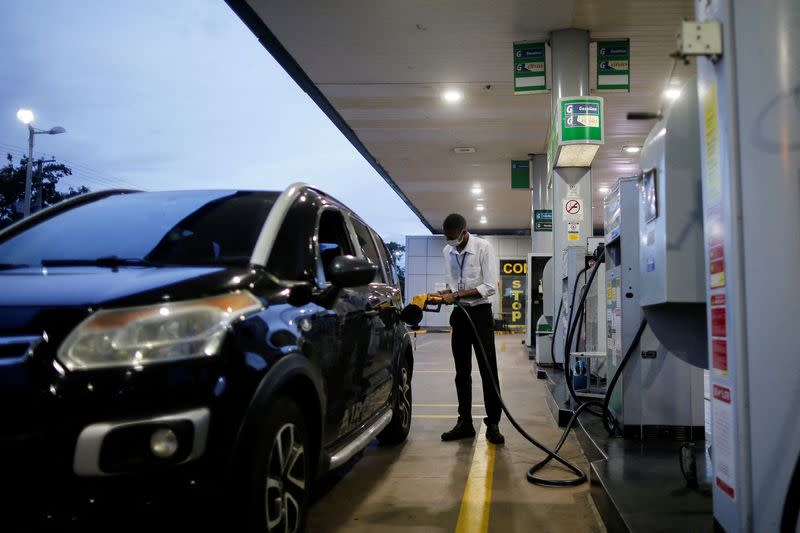
Brazil extended its emergency fuel subsidy measures until July 31, according to a government statement this week, continuing a package President Luiz Inácio Lula da Silva first activated in response to the oil price shock triggered by the U.S.-Israeli conflict with Iran that began in late February. The measures, extended by presidential decree, include a subsidy of 1.12 reais – approximately 20 U.S. cents – per liter of diesel for domestic refiners and importers, fully financed with federal funds. The Finance Ministry also created a compensation mechanism for diesel producers and importers to replace a temporary federal tax exemption on diesel that expired on May 31. At its peak, the government has indicated the full package of gasoline and diesel subsidies costs up to 2.9 billion reais, or approximately $580 million, per month.
The layered structure of the subsidy package reflects how much the energy shock has compounded since February. Brazil imports approximately 30% of its diesel consumption, making it directly exposed to global crude price movements. Diesel rose more than 20% since the start of the Iran conflict according to government calculations, and Petrobras announced a 55% increase in aviation kerosene prices in April, which prompted additional emergency measures: a tax exemption on aviation fuel, and two subsidized credit lines totaling 3.5 billion reais to support airlines that faced the prospect of raising ticket prices by 20% or more. President Lula also signed a decree for a gasoline subsidy of R$0.44 per liter – roughly half the federal tax on the fuel – for an initial two-month window beginning in late May. The scale of the intervention and its timeline relative to the October presidential election is what NewsTrackerToday clocked as the political arithmetic underlying the economic measure.
Daniel Wu, who covers geopolitics and energy, places the Brazilian intervention in comparative context: “Latin American governments have a long history of fuel price intervention when commodity shocks threaten consumer welfare ahead of elections. Venezuela, Argentina, Colombia have all done versions of this. Brazil under Lula is doing it with better fiscal tools than most of its neighbors, but the mechanism is the same: the state absorbs the oil price increase rather than letting it pass through to the pump. The difference is that Brazil has Petrobras as a partially state-owned instrument, and Petrobras’ stated policy of not passing short-term international price swings directly through to domestic consumers gives the government additional operational leverage beyond pure subsidy spending.”
Petrobras opted into Brazil’s diesel subvention program created by Provisional Measure No. 1,340 in March, describing participation as compatible with its interests and consistent with its strategy of maintaining market share while avoiding direct pass-through of short-term global price volatility. That framing matters: Petrobras is not simply complying with a government mandate but framing the subsidy alignment as consistent with its own commercial strategy. The free cooking gas program – Lula’s flagship energy initiative covering approximately 50 million people – ran into separate pressure from a Petrobras LPG auction that drew premiums of up to double the reference price, prompting a new 330 million real subsidy for LPG imports. The intersection of multiple subsidy programs all running simultaneously and each tied to a different fuel category is what NewsTrackerToday took apart as the full cost picture that the individual program announcements obscure.
Ethan Cole reads the macro constraint directly: “Subsidies of this scale, sustained for this duration, create fiscal drag that outlasts the oil shock they were designed to absorb. Brazil’s public debt trajectory was already elevated before the Iran conflict. The R$2.9 billion monthly fuel package, the LPG subsidy, the airline credit lines, and whatever equivalents follow if oil stays elevated will collectively shift the fiscal balance in ways the market will price into Brazilian sovereign debt and the real. The election creates the political logic for extending these measures. The fiscal arithmetic doesn’t care about the election timeline.” Investors expect Brazil’s central bank to raise rates toward 15% this year. Cost-of-living increases are forecast above the 3% target through 2028. The subsidy spending is intended to contain those pressures, which is what NewsTrackerToday set out as the specific fiscal tradeoff the July 31 extension date postpones rather than resolves.
The uncomfortable implication of Brazil’s fuel subsidy strategy is that the July 31 end date sits six weeks before the October election. Extending measures through election day would be the logical political move, but each extension that runs past initial deadlines makes the fiscal cost harder to absorb once the election is over and the political pressure to maintain the packages eases. Brazil’s oil revenue gives the government capacity to fund subsidies that purely import-dependent economies lack. But spending $580 million per month on fuel price suppression while the central bank raises rates to control inflation creates a contradiction where fiscal and monetary policy pull against each other. That contradiction is what News Tracker Today speaks to as the one the November post-election fiscal picture will need to resolve.