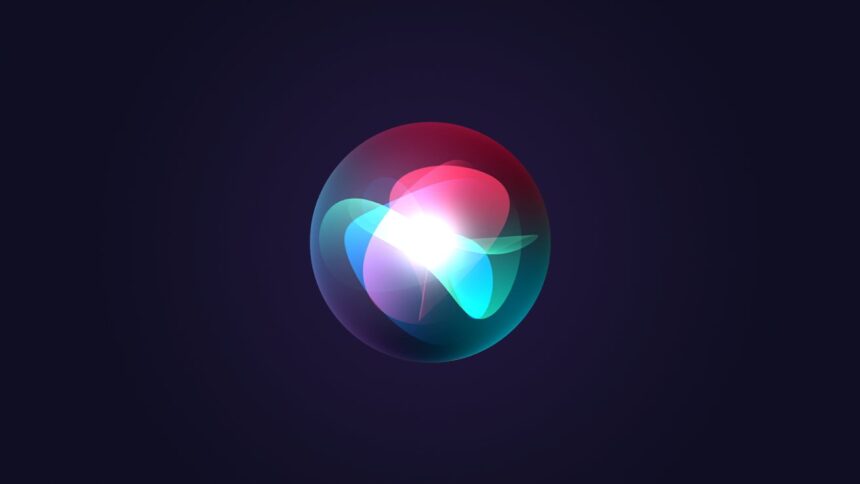
Siri AI arrived in the public beta of iOS 27 in July, after years of delays, finally delivering what Apple originally promised: an assistant that understands personal context, taps broad world knowledge, and surfaces information already stored on a user’s iPhone without requiring the user to specify where or what it’s looking for. A feature this genuinely functional landing to muted reaction rather than genuine excitement is what NewsTrackerToday banks to as the more revealing story than the capability upgrade itself.
The functional gains are real and specific: users can hold natural back-and-forth conversations with adjustable pacing and expressivity settings, type instead of speaking, reference past conversations through a dedicated app, and ask Siri to find things like a saved receipt or a screenshotted QR code without knowing exactly where either was stored. Siri now also consistently plays the correct song, podcast, or audiobook on request, a low bar that Siri had nonetheless failed to clear reliably for years.
Sophie Leclerc, who covers the technology sector, reads the timing problem underneath this launch directly: “None of these capabilities would have seemed remarkable if they’d shipped on schedule years ago. But the AI landscape has moved from simple chatbots to agents that code, reason across multi-step tasks, and generate media entirely on their own, while Apple was still working to make Siri reliably play the right podcast. Being a genuinely capable assistant stopped being the bar competitors were clearing sometime during Apple’s delay.” That competitive timing gap, more than any specific missing feature, is what NewsTrackerToday ties round as the real explanation for why this launch reads as anticlimactic rather than triumphant.
The technical foundation behind Siri AI’s improvement traces to Apple’s partnership with Google, using Gemini to train and refine Apple’s own proprietary Foundation Models, which then run on Apple’s own Silicon and its Private Cloud Compute infrastructure rather than routing requests through Google’s systems directly. That’s Apple absorbing outside AI expertise while keeping the actual deployment layer under its own control, a structurally different approach than simply licensing another company’s assistant wholesale.
Liam Anderson reads the financial backdrop shaping how much patience Apple has left to work with: “Apple already paid $250 million to settle a lawsuit over Siri’s delayed AI features, a real cost attached directly to years of missed deadlines. Delivering a genuinely functional Siri now closes that specific liability question, but it doesn’t erase the multi-year competitive gap that opened while the delays dragged on. Apple’s services business depends heavily on device loyalty holding up, and a Siri this late to actually working is a real test of how much benefit of the doubt that loyalty still buys.” That settlement-plus-delay combination, more than the feature set itself, is what News Tracker Today keys to as the more consequential cost Apple has already paid for this timeline.
General public access to the new Siri arrives when Apple officially releases iOS 27, expected in September, meaning most users won’t experience these improvements until roughly two months after this beta assessment, on a timeline that gives Apple one more stretch to fix anything the public beta surfaces first.
None of this confirms whether Siri AI’s genuine functional improvements meaningfully affect how people perceive Apple’s broader AI competitiveness once the update reaches general release, since perception built over years of public Siri failures doesn’t necessarily reverse the moment the product actually starts working. Whether Apple’s iPhone-loyal user base simply absorbs this fix as overdue and moves on, or whether the years-long gap in AI credibility Siri’s delays created continues shaping how Apple’s broader AI ambitions get judged, is what NewsTrackerToday wraps on as the real question this launch leaves unresolved.