At first glance, the latest earnings season for tech companies looked like a familiar story of optimism – with soaring investments in artificial intelligence promising a new wave of growth. But reality turned out to be far more complex. At NewsTrackerToday, we see a clear divide emerging in the market: mega-cap giants are being rewarded for their ambition, while smaller players are being punished for the very same behavior.
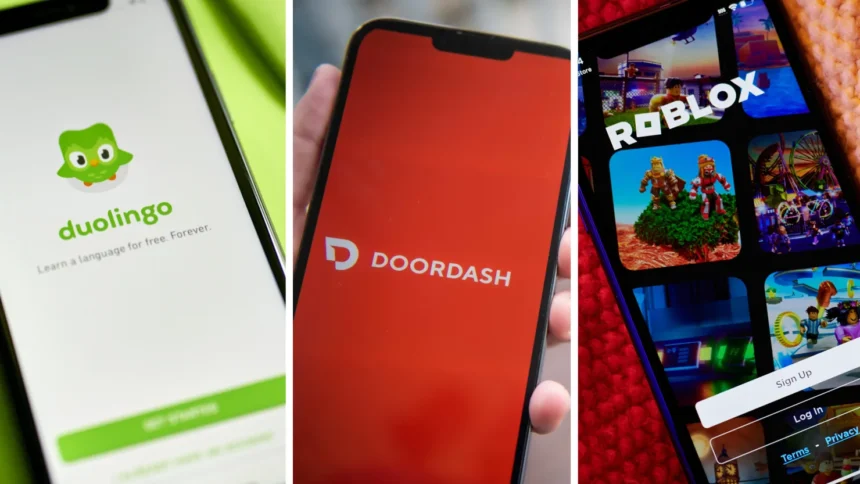
Companies like DoorDash, Duolingo, and Roblox are facing mounting pressure from investors unwilling to tolerate higher capital spending without immediate returns. DoorDash’s shares plunged 17% – its steepest drop in five years – after the company announced plans to invest “several hundred million dollars” in new technologies and products. While management framed it as a necessary step toward long-term growth, analysts at Gordon Haskett noted that they “see limited room for margin expansion until there’s clear visibility on investment payoff.”
Duolingo, despite reporting strong financial results, lost a quarter of its market value after CEO Luis von Ahn prioritized user growth over monetization. KeyBanc Capital Markets downgraded the stock, citing concerns that the payoff from new AI-driven initiatives might not materialize for several quarters. Meanwhile, Roblox saw its shares fall nearly 16% after warning that rising safety and infrastructure costs could hurt profitability. Both Benchmark and Roth Capital cut their ratings, anticipating pressure on margins through 2025. At NewsTrackerToday, we see this as a clear reflection of how market sentiment is shifting – investors are growing impatient with promises of future AI returns when near-term profitability remains uncertain.
On the opposite end of the spectrum, big tech players continue to invest aggressively in AI infrastructure – a luxury smaller firms can’t afford. Alphabet, Amazon, and Microsoft are expanding their capital expenditures to unprecedented levels. According to Morgan Stanley, Google’s investments in data centers and custom chips may exceed $85 billion, with returns expected to start materializing by 2028. As corporate strategy analyst Isabella Moretti explains, “Mega-cap companies can afford to build the future on credit because the market trusts them to monetize ecosystems, not just products.”
Even so, Meta serves as a reminder that not all giants are immune to investor skepticism. Its shares fell 11% after announcing plans to spend up to $72 billion on AI initiatives without offering a clear roadmap to profitability. As technology sector analyst Sophie Leclerc puts it, “Integrating AI across every Meta product sounds transformative, but without a transparent path to revenue, it’s more of a strategic risk than a breakthrough.”
At News Tracker Today, we view this moment as a turning point. The market no longer buys into the AI narrative on faith alone. For tech titans, scale remains a tool of dominance; for mid-sized firms, it’s a test of survival. Our takeaway: investors should stay selective. Artificial intelligence is no longer a guaranteed growth story – it’s a stress test for business resilience. The companies that can turn their AI ambitions into measurable returns will define the next era of digital leadership, while the rest may be left with expensive ideas and falling charts.