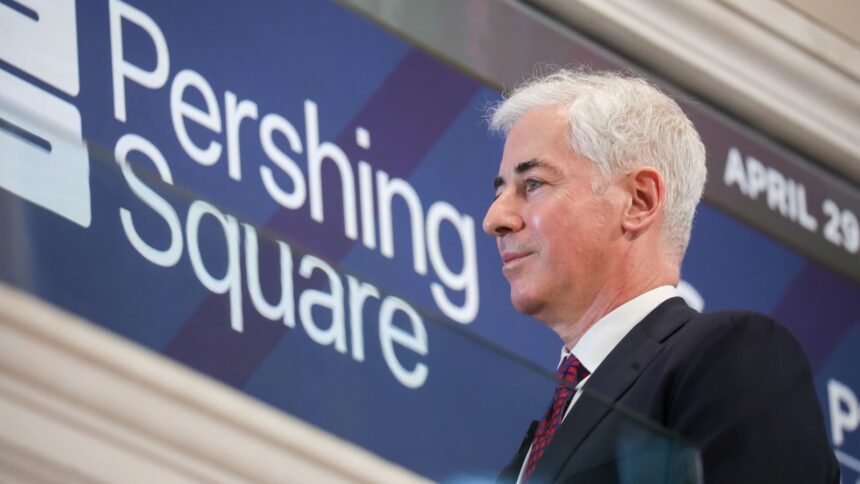
Bill Ackman is making another high-profile wager on big technology, with his hedge fund Pershing Square Capital Management preparing to disclose a new stake in Microsoft. Ackman described the software giant as trading at a highly compelling valuation after a year in which the stock fell about 15%, weighed down by investor concerns over slowing cloud growth, heavy capital expenditures and questions surrounding artificial intelligence monetization. In evaluating the move, NewsTrackerToday spotlights how periods of uncertainty in dominant technology franchises often create entry points for long-term investors willing to look beyond short-term sentiment.
Pershing Square began accumulating shares in February, shortly after Microsoft reported softer growth in its Microsoft Azure business and outlined an aggressive spending plan that could reach $190 billion in 2026. The company’s vast investment program has unsettled some shareholders, particularly as adoption of the $30-per-month Microsoft Copilot has progressed more gradually than many anticipated. At the same time, revised terms in Microsoft’s relationship with OpenAI reduced its exclusive rights to resell OpenAI technology through Azure, prompting questions about the durability of one of the most important partnerships in the AI ecosystem.
Ackman argues that these concerns misinterpret a broader strategic shift. Rather than weakening Microsoft’s competitive position, he views the restructuring as a deliberate transition toward a multi-model architecture that offers enterprise customers greater flexibility. Sophie Leclerc, technology sector specialist, notes that this approach may prove advantageous because corporate buyers increasingly prefer access to several leading models rather than dependence on a single provider. In that context, NewsTrackerToday traces how Microsoft is evolving from a privileged distributor of one AI platform into a broader infrastructure layer for enterprise artificial intelligence.
The investment also fits Ackman’s recent pattern of purchasing technology leaders during periods of market skepticism. Pershing previously established positions in Alphabet, Amazon and Meta Platforms after sharp pullbacks linked to fears about disruption or elevated spending. In this broader context, NewsTrackerToday assesses how Ackman consistently seeks dominant franchises when short-term uncertainty pushes valuations below his estimate of long-term intrinsic value.
Liam Anderson, financial markets specialist, argues that Microsoft’s current valuation stands out because the company continues to control two of the most entrenched enterprise ecosystems in the world – Azure and Microsoft 365. These platforms generate recurring revenue, deep customer relationships and natural distribution channels for AI services, giving Microsoft an unusually strong foundation from which to convert infrastructure spending into future cash flow.
Competition from Google and Amazon remains intense, and the scale of Microsoft’s investment demands consistent execution. Even so, News Tracker Today emphasizes that Ackman’s decision reflects growing conviction among sophisticated investors that Microsoft’s temporary slowdown has done little to alter its strategic importance at the center of enterprise artificial intelligence.