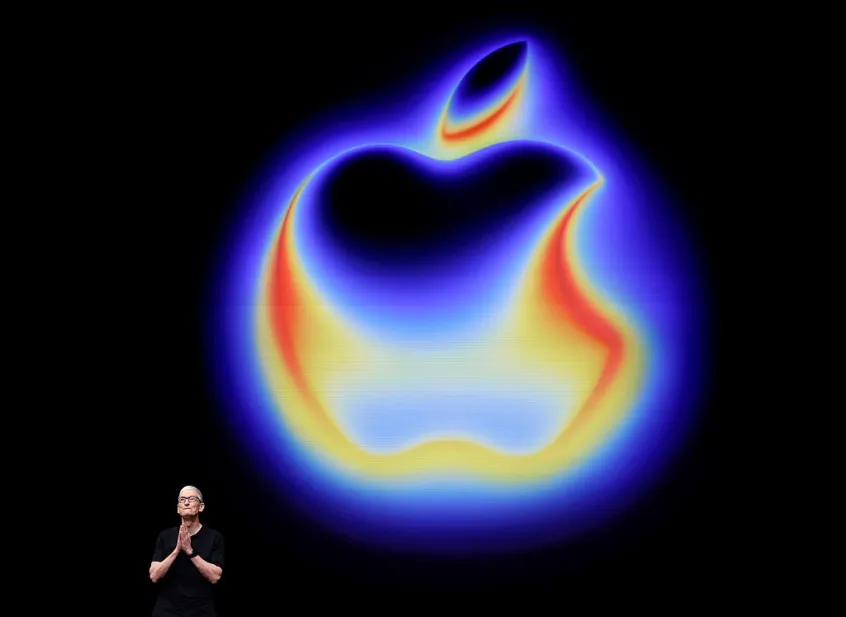
Apple has pushed back the launch of its first smart glasses from an early-2027 target to a mid-2027 unveiling at its Worldwide Developers Conference, with actual availability now expected by the end of that year, according to a person familiar with the plans. The extra time is reportedly going toward both the hardware itself and the privacy messaging surrounding it. A company delaying a hardware launch specifically to work on privacy framing, not just the product, is what NewsTrackerToday reads into as the more telling detail than the delay itself.
The backdrop shaping that delay is Meta’s own experience in the category. Meta’s Ray-Ban smart glasses have drawn sustained criticism, with critics labeling them “pervert glasses” over documented cases of non-consensual recording, and separate reporting that Meta uses human contractors to review footage captured by the devices. For a company that competes on privacy as a core brand promise, entering the same product category Meta has already generated this kind of controversy in carries meaningfully higher stakes than it would for almost any other hardware maker.
Isabella Moretti reads the positioning risk Apple is navigating: “Apple’s entire brand equity around privacy gets tested the moment it ships a device that, by definition, can record other people without their knowledge or consent. That’s not a feature Apple can engineer away, it’s inherent to what smart glasses do. The company’s approach, reportedly leaning on on-device processing and skipping facial recognition entirely, is Apple trying to differentiate on privacy architecture specifically because it can’t differentiate on the product category’s fundamental risk.” That architectural differentiation, more than any marketing message, is what NewsTrackerToday pins to as Apple’s actual strategy for entering this category without repeating Meta’s reputational problem.
Specific choices reportedly under consideration include keeping customer recordings out of AI model training entirely and avoiding Meta’s reported practice of using outside contractors to review footage, both direct responses to the exact criticisms that have followed Meta’s product. Apple emphasizing what it won’t do with recorded footage, as much as what the glasses will do, reflects how much of this launch is being built around anticipated criticism rather than novel features.
Sophie Leclerc, who covers the technology sector, reads the timing tradeoff Apple is making: “A year’s delay in a category moving as fast as AI wearables is a real cost, Meta keeps shipping updated hardware and building market share every quarter Apple waits. But shipping into this specific controversy without a clearly differentiated privacy story would likely cost Apple more than the delay does, especially given how central privacy messaging has been to Apple’s marketing for the past decade. This is a company protecting a brand asset it’s spent years building, even at the price of ceding more time to a competitor.” That brand-protection calculus, more than competitive urgency, is what NewsTrackerToday circles on as the more accurate read of why Apple is willing to wait.
Apple has not officially confirmed the delayed timeline or detailed the specific privacy features under development, meaning the current picture rests on reporting rather than an official product announcement from the company itself.
None of this confirms whether Apple’s privacy-first approach actually prevents the same category of misuse critics have documented with Meta’s glasses, since on-device processing and the absence of facial recognition don’t stop someone from simply pointing the camera at another person without consent. Whether Apple’s approach meaningfully changes how this product category gets used in practice, or whether the privacy framing mostly just shifts where the criticism lands once the glasses actually ship, is what News Tracker Today closes round as the real test this delay is buying time to prepare for.