For much of the past two years, the obesity drug market has been defined by a single metric: how much weight a patient can lose. That framing is now starting to break down. Conversations around the JPMorgan Healthcare Conference signaled a broader recalibration, one that NewsTrackerToday views as a structural shift rather than a temporary narrative change. Executives across large pharmaceutical groups increasingly describe the next phase of the market as one focused on treatment diversity, access, and durability, not just headline efficacy.
Weekly injectable GLP-1 therapies created the category and proved that pharmacological weight loss could scale. But as adoption expands, limitations are becoming clearer. Not all patients tolerate injections, not all require maximal weight loss, and not all health systems are optimized for long-term injectable therapy. As a result, companies are repositioning obesity treatment as a continuum rather than a single product decision.
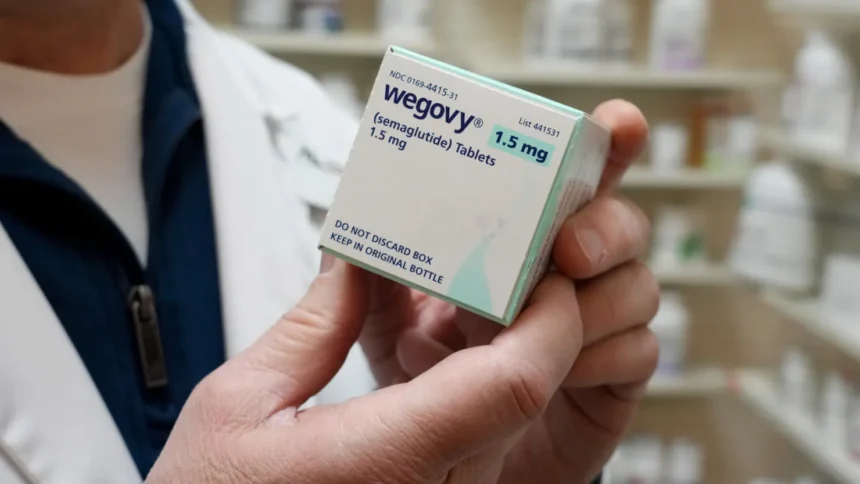
One major inflection point is format. Oral GLP-1 candidates are no longer framed as inferior alternatives, but as expansion tools designed to reach populations that injections never fully penetrated. Primary-care physicians, who write the majority of prescriptions in the U.S., tend to favor tablets over injectables. Travelers, needle-averse patients, and those with milder disease profiles also fall into this category. From a NewsTrackerToday perspective, oral drugs are less about replacing injections and more about widening the funnel at the top.
Ethan Cole, a macroeconomics and central-bank specialist, argues that reimbursement dynamics will ultimately determine the winners. In his assessment, obesity drugs are moving toward chronic-care economics, where persistence and system-wide cost reduction matter more than peak performance. If public and employer coverage expands, manufacturers will be pressured to demonstrate reduced downstream healthcare costs, not just weight loss percentages. That shift favors companies able to generate real-world evidence at scale.
Another emerging layer is combination therapy. Rather than betting on single mechanisms, drugmakers are increasingly testing multi-pathway approaches designed to balance appetite suppression, metabolic efficiency, and muscle preservation. Isabella Moretti, an analyst focused on corporate strategy and M&A, sees this as a portfolio play. She notes that large pharmaceutical companies are building optionality into their pipelines, positioning themselves to tailor treatments by comorbidity profile rather than forcing all patients into one regimen.
This strategy also opens the door for smaller biotechnology firms. Instead of competing head-on with incumbents, these companies are targeting complementary mechanisms that could be layered onto existing GLP-1 therapies. If successful, this approach expands the total addressable market while reducing direct pricing wars. News Tracker Today sees this as a more sustainable competitive path than chasing marginally higher weight-loss outcomes.
Access remains the final constraint. While list prices for injectables remain high, discount programs, oral launches, and direct-to-consumer channels are slowly reshaping affordability. Executives increasingly frame direct cash-pay models as bridges rather than endpoints – mechanisms to reach patients while insurance coverage evolves. Cole notes that once public programs normalize coverage, employer plans are likely to follow under social and competitive pressure.
By the end of the decade, the obesity drug market is unlikely to be defined by a single blockbuster. Instead, it is shaping up as an ecosystem: injectables for intensive intervention, oral therapies for scale, combinations for complex cases, and maintenance drugs to preserve outcomes. NewsTrackerToday expects the decisive battles to center on adherence, payer economics, and long-term data – the less glamorous metrics that ultimately determine whether a therapeutic revolution becomes a stable healthcare category or a short-lived boom.