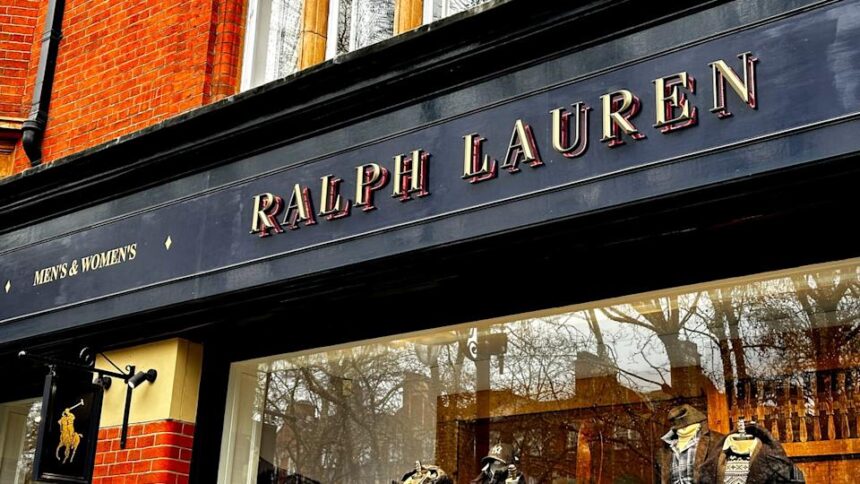
Luxury fashion has a short memory for uncertainty. Ralph Lauren reported fourth-quarter fiscal 2026 results on May 21 that beat analyst expectations on both lines: adjusted earnings per share came in at $2.80 against a $2.52 consensus, and revenue hit $1.98 billion against a $1.85 billion forecast. More significantly, the company crossed $8 billion in annual revenue for the first time, posting $8.1 billion for the full fiscal year, a 15% increase on a reported basis. Full-year adjusted operating margin reached 16%, up 200 basis points from the prior year. The stock climbed as much as 11% in premarket trading, and NewsTrackerToday pulled the regional breakdown to the front because the geography tells the real story here.
Asia led all regions with revenue up 31% on a reported basis and 28% in constant currency, driven heavily by China demand centered on Lunar New Year. Europe grew 18%. North America, the company’s most mature market, posted 8% growth. Stack this up against the broader retail environment facing tariff headwinds and fragile consumer confidence in the US, and Ralph Lauren’s results look particularly clean. The brand’s direct-to-consumer comparable store sales gained 17% for the quarter, while average unit retail prices grew in the mid-teens, a product of deliberate elevation strategy – better mix, higher-end channel weighting, and fewer markdowns.
Isabella Moretti, corporate strategy analyst at NewsTrackerToday, put the operating model in concrete terms: “Patrice Louvet’s team has now delivered six consecutive quarters of 200-basis-point or better margin expansion. At $8 billion in revenue and 16% operating margin, Ralph Lauren is generating roughly $1.3 billion in annual operating income. For a brand that was trading at a discount to peers three years ago, that repricing has been worth several multiple turns of earnings expansion on top of the underlying profit growth.” Louvet’s statement after the results credited a “culture of operating discipline” and a $2.1 billion cash and short-term investment position on the balance sheet, suggesting the company is not running tight against its financial commitments.
Honestly, the tariff risk is real but not crippling at this brand tier. Ralph Lauren guided for operating margin expansion of 80 to 120 basis points in the first quarter of fiscal 2027 and full-year constant currency revenue growth of roughly 4% to 5%. NewsTrackerToday cross-referenced that outlook against the Q3 warning from February 2026, when management flagged that Q4 margins would shrink 80 to 120 basis points due to tariff pressure and heavier marketing spend. The Q4 result largely absorbed that pressure and still beat. Full fiscal 2027 guidance, while more conservative than 2026’s actual, implies continued expansion rather than retrenchment.
Women’s Apparel, Outerwear, and Handbags each grew more than 20% in constant currency during the quarter. The company attracted 6.5 million new direct-to-consumer customers during fiscal 2026. Ralph Lauren raised its quarterly dividend by 10% to $1.00 per share and returned more than $700 million to shareholders through dividends and buybacks over the year. News Tracker Today singled out the shareholder returns figure because it matters for how the market reads the balance sheet: a company distributing $700 million while posting its first $8 billion revenue year is not in capital-allocation distress.
Liam Anderson flagged the market read plainly: “RL stock up 18% over 12 months against an industry down 24.5%. That spread is the brand premium materializing in equity. The question is whether Asia can sustain the 28-31% growth pace through a second year of currency volatility.” That is the uncomfortable one. China’s contribution to the quarter was large, and China consumption patterns are not immune to macro pressures. Ralph Lauren has earned the right to a premium multiple. Whether it sustains it depends heavily on whether Asian growth remains the engine it was in Q4.