Aluminum prices have surged roughly 20% this year, and the proximate cause is geopolitical. Around 10% of global aluminum production comes from the Gulf region, and the conflict involving Iran that escalated in late February 2026 disrupted that supply just as demand from electric vehicles, aerospace, and packaging was already running tight. The US government had already classified aluminum as a critical mineral before prices moved. The EPA puts domestic recycling recovery for aluminum at around 20%, which means approximately 80% of the aluminum used in America either gets exported as mixed scrap or ends up in a landfill. That gap is exactly where a new class of AI-powered recycling startups is building.
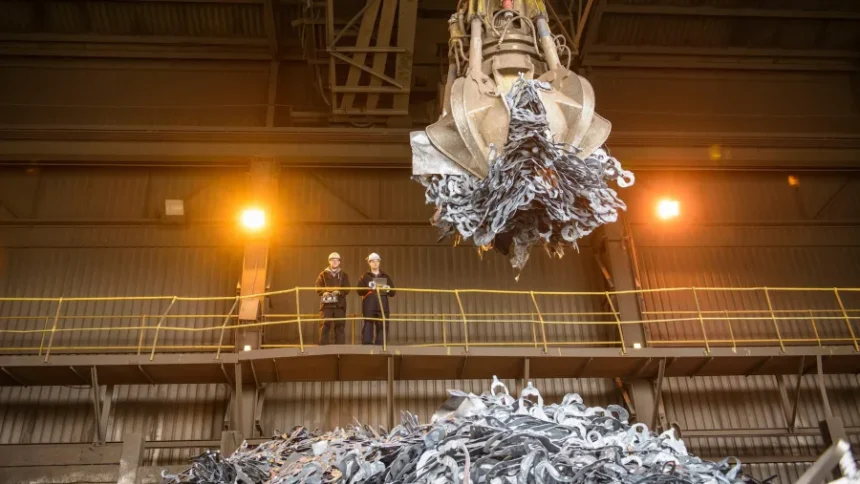
NewsTrackerToday broke down the two main players shaping this market. Sortera, based in Markle, Indiana, uses a multi-sensor platform combining lasers, cameras, and X-ray fluorescence to feed AI classification algorithms that sort aluminum scrap into specific alloy grades at high resolution. The distinction matters commercially: sorted, high-purity alloys command premium prices, while mixed scrap gets discounted or sent abroad for manual processing. Sortera just opened its second facility in Lebanon, Tennessee, constructed with $45 million in funding led by T. Rowe Price Associates and VXI Capital, with Breakthrough Energy Ventures among the participants. The new plant doubles the company’s annual processing capacity to 240 million pounds, of which 90% to 100% is aluminum. That is a non-trivial fraction of the 4.3 million metric tons the US consumed last year, according to data from the US Geological Survey.
Amp Robotics, meanwhile, approaches the problem from the broader waste stream. Its AI-powered sorting systems use visible light and infrared cameras to identify materials, including aluminum wrappers and foil mixed into general trash, then use robotic arms and air puffers to pull them into separate collection bins. Amp claims over 90% accuracy on specific material recovery. Matanya Horowitz, Amp’s CTO, put the scale of the opportunity starkly: roughly half the aluminum flowing through a well-run metro area’s recycling system is not in the recycling stream at all – it is in the garbage. NewsTrackerToday took apart the implications of that figure. If true at scale across US cities, the accessible aluminum sitting in mixed waste is among the largest untapped domestic sources of the material, larger in annual volume than many new primary production facilities coming online in a given year, as Horowitz noted.
Ethan Cole, macroeconomics analyst, tied the investment case to the supply chain moment: “Critical mineral designation plus a 20% price spike plus a recycling recovery rate of 20% equals a policy and commercial opening that will not stay open indefinitely. The players who can prove unit economics now get to capture the premium window. Those who wait will face both better-funded competitors and, potentially, a normalized price environment.” That framing captures why 2026 feels like a catalytic year for this sector, not just a favorable one.
Secondary aluminum smelting requires roughly 95% less energy than primary production from bauxite ore, a cost and carbon advantage that widens as electricity prices climb and corporate emissions reporting tightens. Novelis announced a $200 million investment in a Kentucky recycled aluminum facility in March 2026, and Real Alloy expanded its AI-integrated scrap processing in the Midwest earlier in the year. The startups and the incumbents are moving simultaneously. News Tracker Today tracked those parallel investments while documenting the broader industrial context around recycled metals and AI-assisted sorting infrastructure. Watch the Tennessee plant throughput numbers from Sortera, Amp’s urban deployment contracts, and the spread between primary aluminum prices and secondary alloy prices. Those three indicators will tell you whether the current investment wave is landing on durable economics or chasing a temporary price signal.