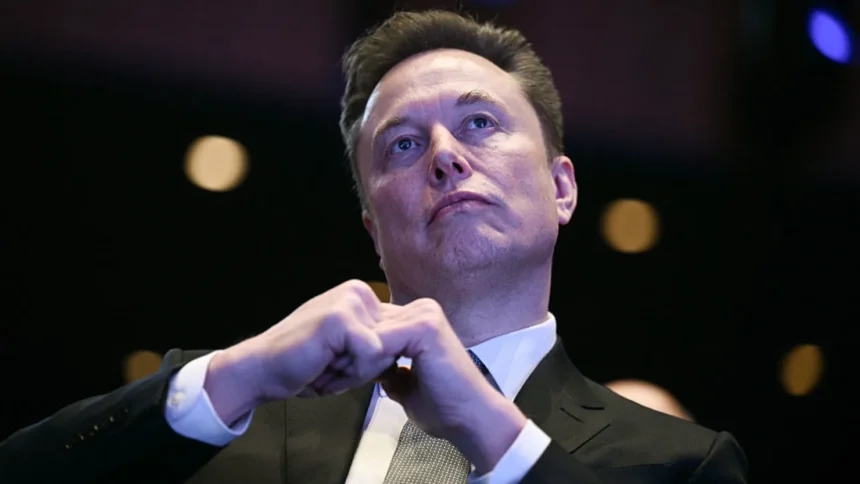
Elon Musk’s transformation of Twitter into the broader X ecosystem now intersects with a legal battle that could shape the next stage of his business ambitions. The billionaire entrepreneur is expected to appear in federal court in San Francisco to defend himself against accusations that he misled investors during the months leading up to his $44 billion acquisition of Twitter. NewsTrackerToday notes that the case extends beyond a dispute about past statements and raises broader questions about how influential founders can affect market expectations during major takeover negotiations.
The lawsuit stems from claims by former Twitter investors who argue that Musk deliberately created uncertainty around the acquisition. According to the plaintiffs, his repeated public criticism of bots, spam accounts, and internal data transparency signaled that the deal might collapse, triggering declines in the company’s share price. Some shareholders reportedly sold their holdings early, believing the acquisition would fail, only to see Musk ultimately proceed with the purchase at the originally proposed price of $54.20 per share.
Musk’s legal team rejects the fraud allegations and maintains that his comments reflected legitimate due-diligence concerns rather than an attempt to manipulate the market. NewsTrackerToday highlights that disputes of this type often revolve around intent: whether public statements represent good-faith negotiation tactics or constitute misleading signals capable of influencing investor decisions.
The legal pressure does not stop there. Regulators have separately questioned Musk’s disclosure practices during the same period. The U.S. Securities and Exchange Commission previously accused him of failing to report his growing ownership stake in Twitter within the legally required timeframe. Liam Anderson, financial markets analyst, explains that delayed disclosures can materially affect market behavior because large ownership positions often reshape takeover expectations and pricing dynamics.
The outcome of the trial could carry implications beyond financial penalties. Over the past two years Musk has integrated several ventures, connecting X with the artificial intelligence startup xAI while maintaining close ties with SpaceX and its satellite network Starlink. This expanding technology ecosystem has attracted significant private investment and is increasingly viewed as a potential foundation for future public listings. NewsTrackerToday observes that governance perception may become increasingly relevant if Musk eventually moves toward an initial public offering for SpaceX. Isabella Moretti, corporate strategy and M&A analyst, notes that institutional investors typically evaluate legal exposure and leadership risk alongside growth potential when assessing large technology IPOs.
The broader issue highlighted by the case concerns the growing influence of high-profile founders over financial markets. Social media platforms allow executives to communicate directly with millions of investors, but those communications can blur the line between transparency, negotiation strategy, and market signaling.
If the court determines that Musk’s statements crossed regulatory boundaries, the ruling could reshape how executives communicate during major acquisitions. Even if the case ends without severe penalties, the proceedings may still influence future regulatory scrutiny of founder-driven market narratives. News Tracker Today will continue to monitor the trial as it unfolds, as the outcome could redefine the relationship between entrepreneurial influence, securities law, and investor protection in modern capital markets.