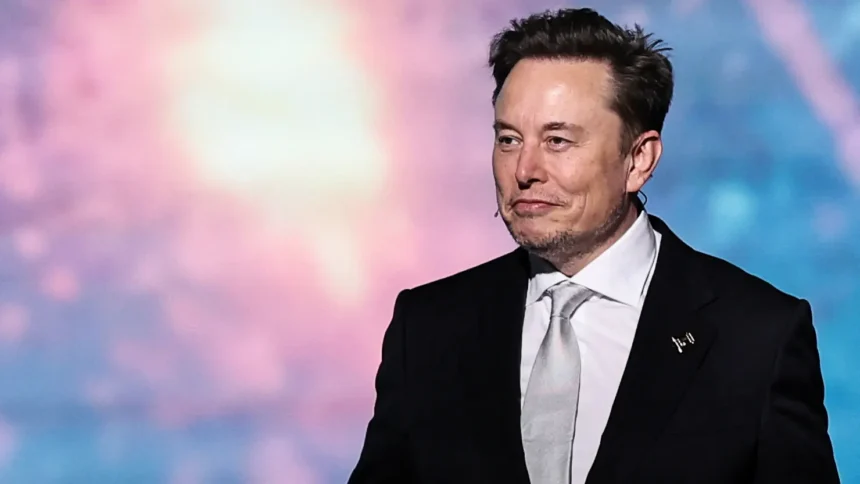
When the world’s largest sovereign wealth fund publicly challenges the most influential entrepreneur in Silicon Valley, it signals more than an internal corporate dispute – it marks a shift in how global capital treats the power of tech visionaries. Norges Bank Investment Management, steward of Norway’s $2-trillion wealth fund, has declared it will vote against Elon Musk’s compensation package at Tesla, a plan potentially worth close to $1 trillion. The decision shows that blind faith in founder-heroes is no longer a market default. At NewsTrackerToday, we view this moment as a turning point: corporate governance is reclaiming center stage, and even revolutionary leaders are no longer beyond institutional scrutiny.
For Tesla, the vote caps weeks of tension. Musk has hinted he could step away if shareholders reject his deal, yet Norway’s fund – holding roughly 1.14% of Tesla shares worth around $11.6 billion – chose to stand firm. The fund expressed concern over the sheer scale of the award, dilution risks, and the company’s dependence on a single executive. In practical terms, the statement challenges the idea that “Musk deserves everything simply because he is Musk.”
Musk’s reaction was, in his signature fashion, visceral and unfiltered. He dismissed proxy advisors ISS and Glass Lewis as “corporate terrorists,” argued Tesla is worth “more than every other carmaker combined,” and questioned who else could lead the company. His leaked messages to NBIM’s CEO – refusing a dinner and implying the fund should “make it up” to him – only sharpened the narrative: Tesla may be a trillion-dollar enterprise, but its leadership culture still revolves around one personality.
Liam Anderson, financial markets analyst at NewsTrackerToday, frames it bluntly: “Investors reward genius, but they also want guardrails. When a company’s fate hinges entirely on one individual, that stops being strategy and starts being dependency.” He adds that Norway’s stance could embolden other funds to follow suit – especially as institutional governance standards harden across public markets.
This isn’t the first confrontation. Norway’s fund opposed Musk’s previous $56-billion pay package before it was revived and approved. But the stakes now are exponentially higher, both financially and symbolically. Isabella Moretti, M&A analyst at NewsTrackerToday, sees a broader pattern: “Capital markets embraced founder-culture, but now they are stress-testing who can operate within rules – and who can function only through exception.” In her view, this vote tests not just Musk, but the mythology of the untouchable Silicon Valley icon.
There is no debate that Musk transformed Tesla and reshaped the global auto and energy industries. The question now is different: can Tesla evolve from a founder-driven phenomenon into an institution capable of generational longevity? If shareholders approve the package, it reinforces the idea that visionaries can continue bending corporate norms. If they reject it, the decision will symbolize a maturing market unwilling to trade governance for charisma.
And as we at News Tracker Today see it, regardless of how the vote ends, Tesla has entered a new era. The age of unquestioned founder worship is fading. The next phase belongs to companies that fuse vision with discipline, innovation with accountability. The ones who figure out how to balance genius and governance first will set the rules for the next decade – and define what power looks like in the post-charisma world.